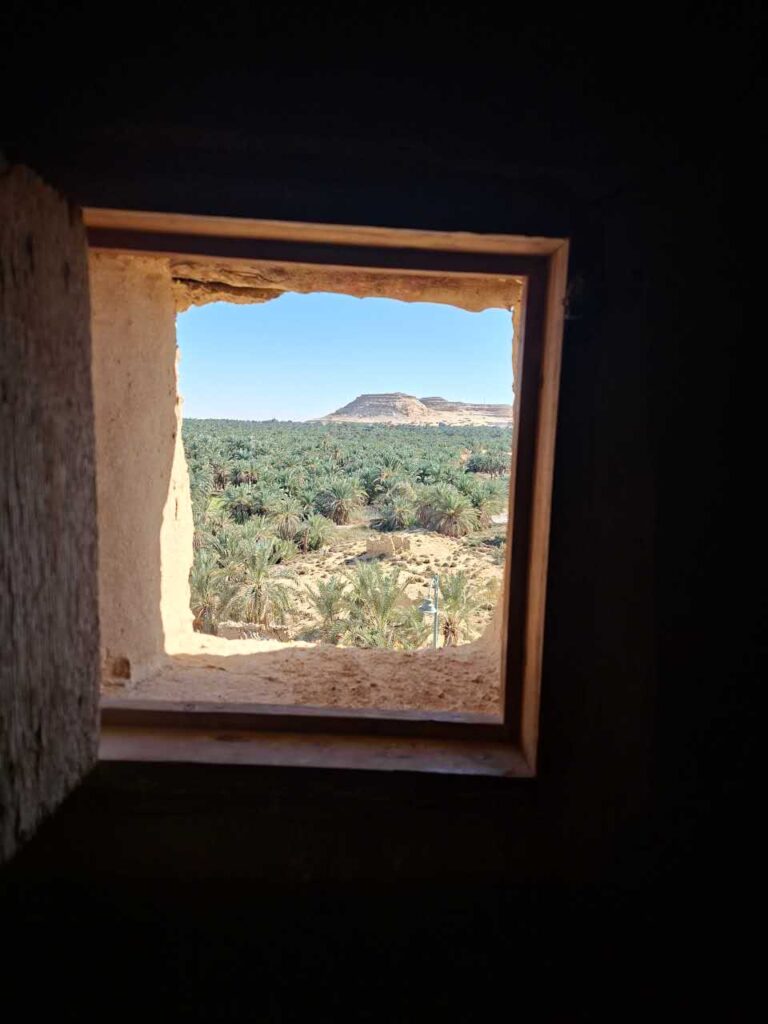
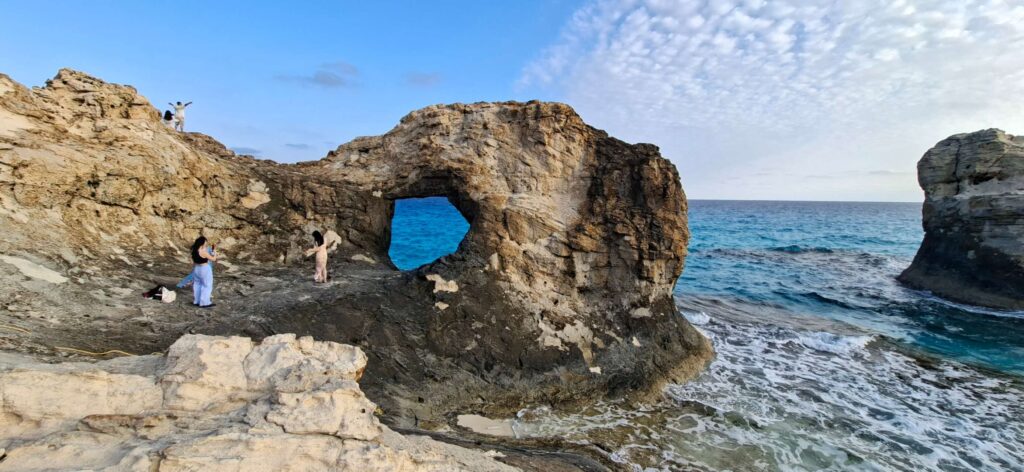
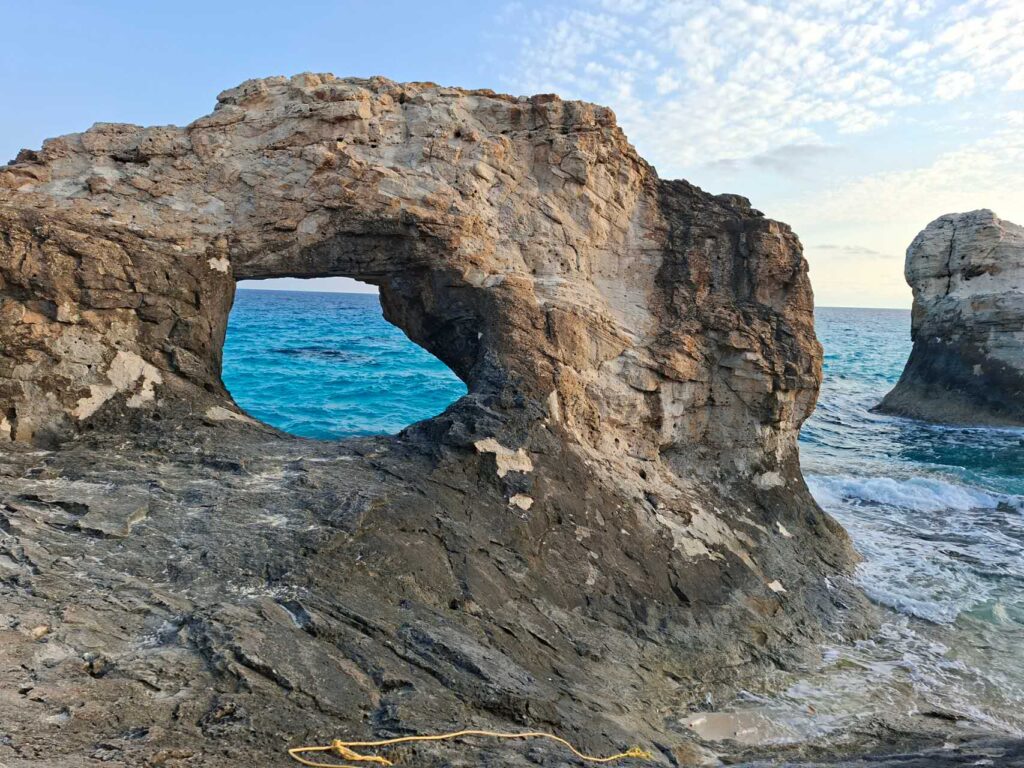
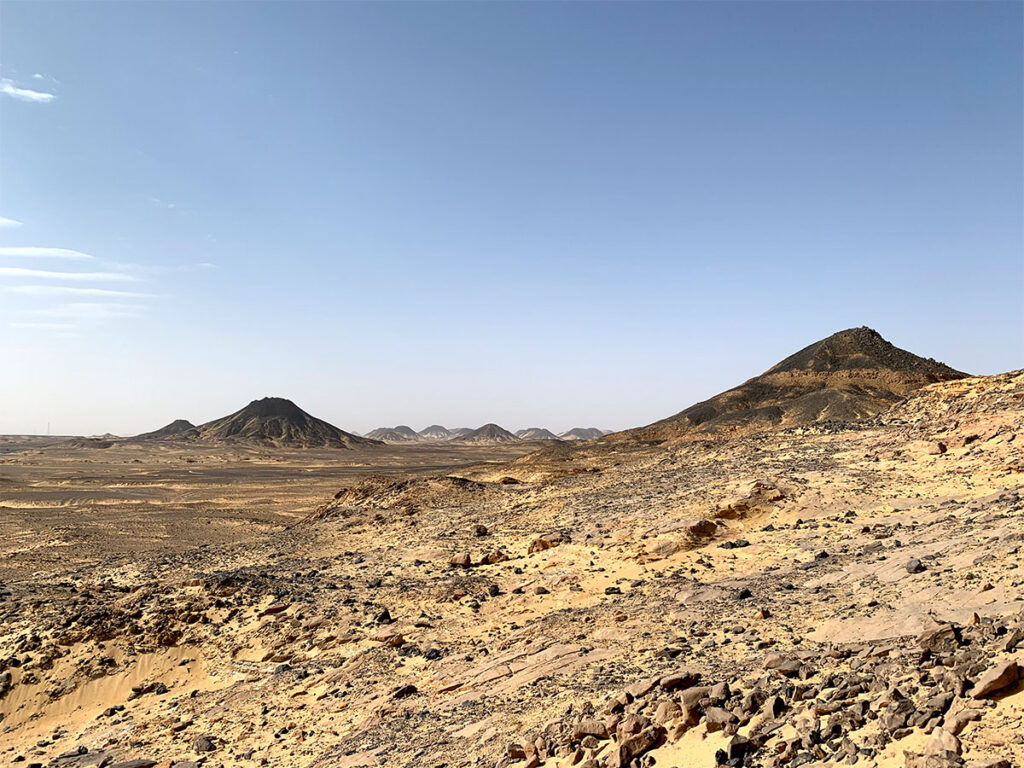
We start from Cairo in the early morning , time to arrive siwa , check in hotel , or siwa hous . Go outside for lunch. And start our tour.
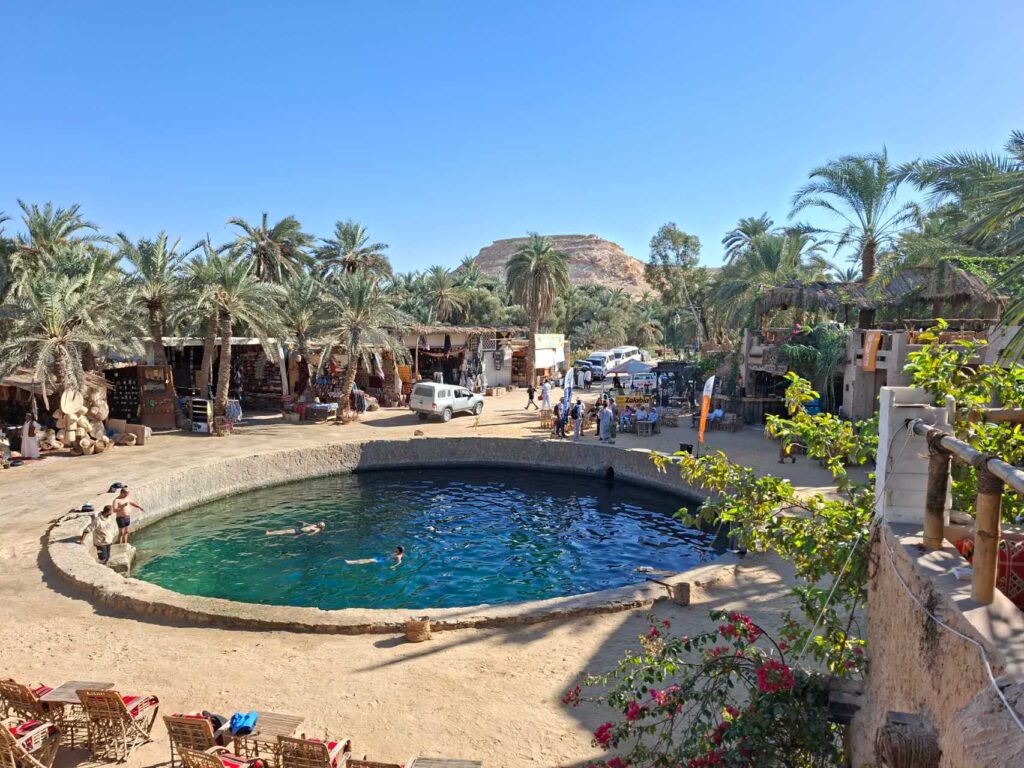
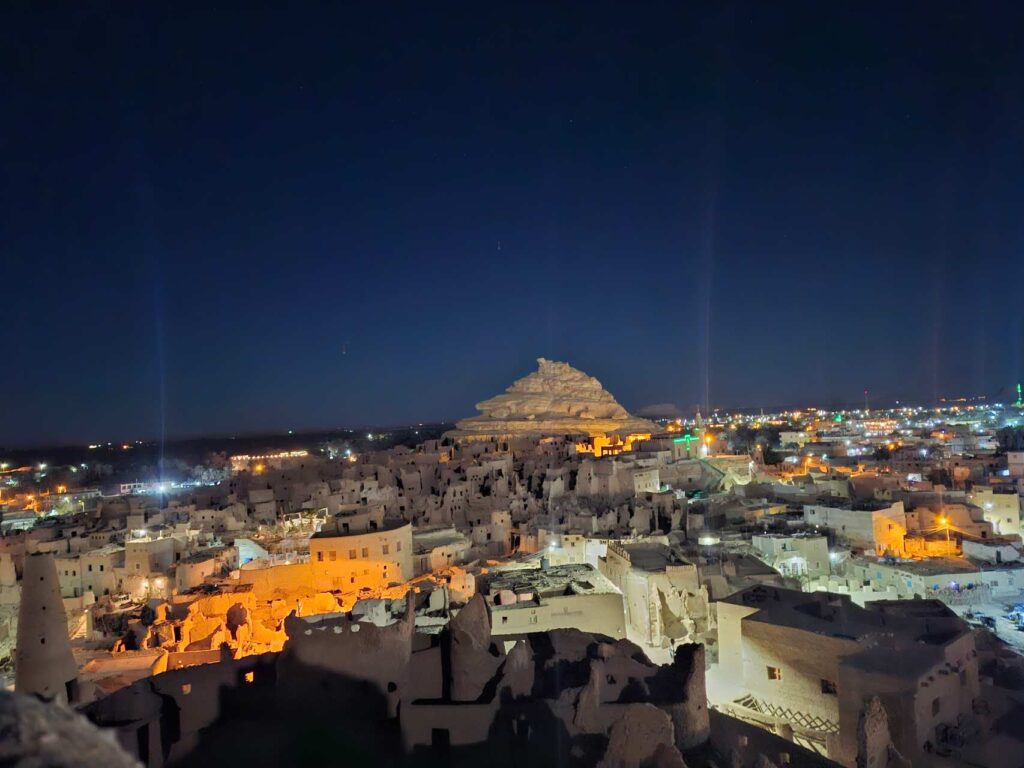
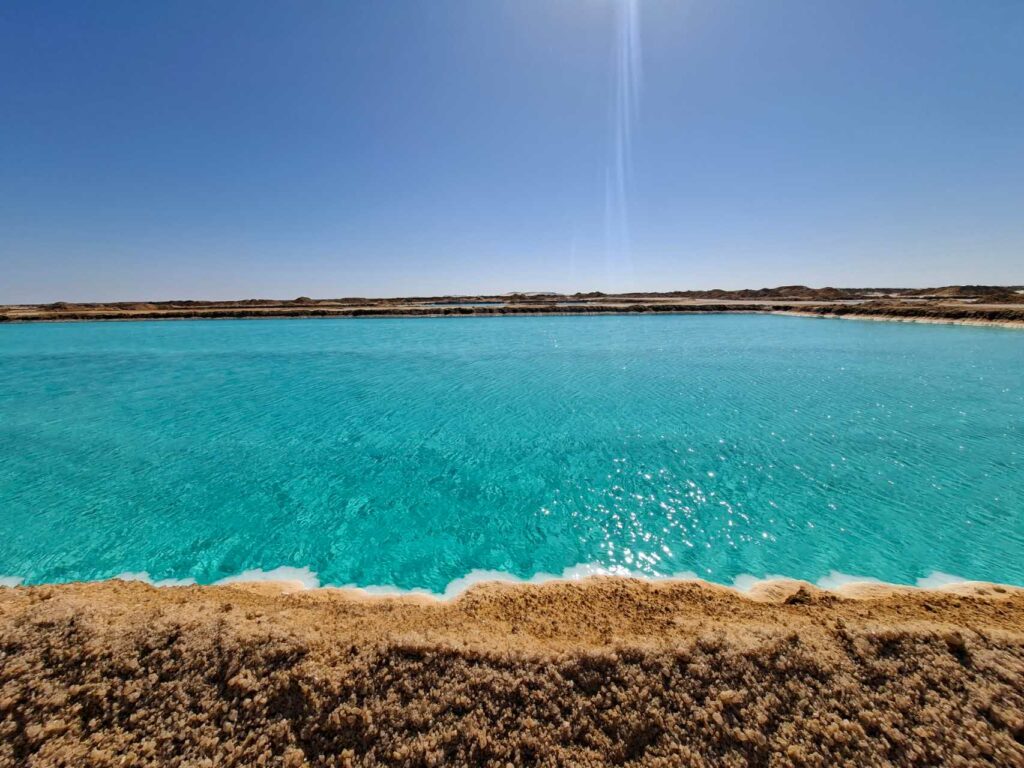
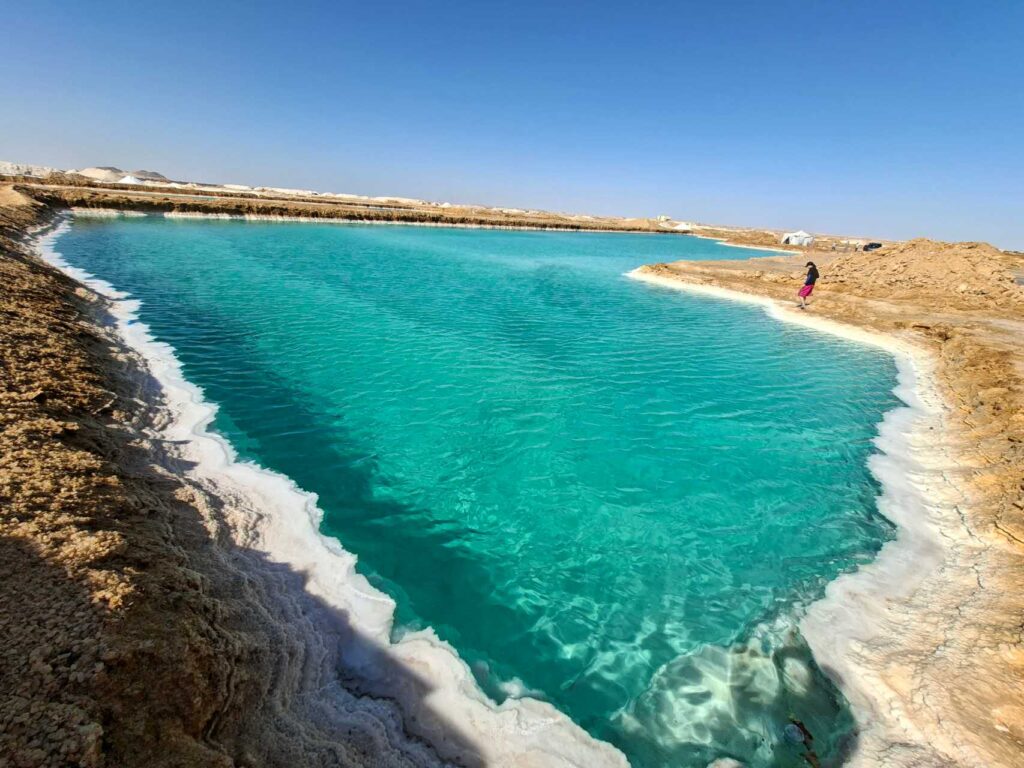
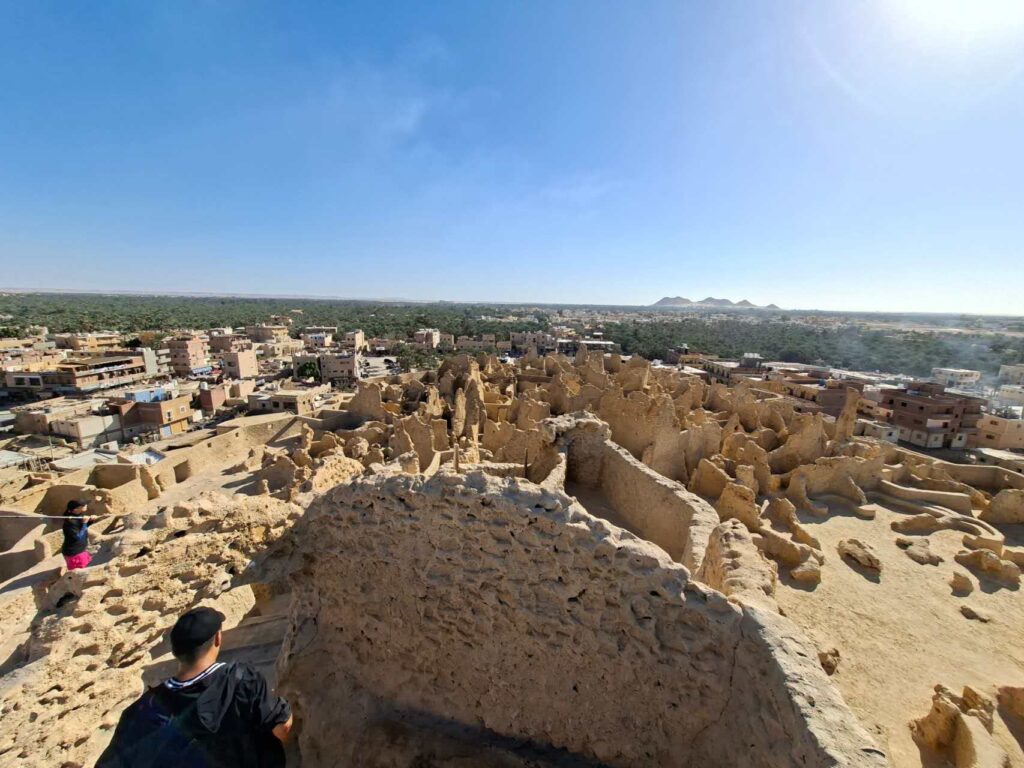
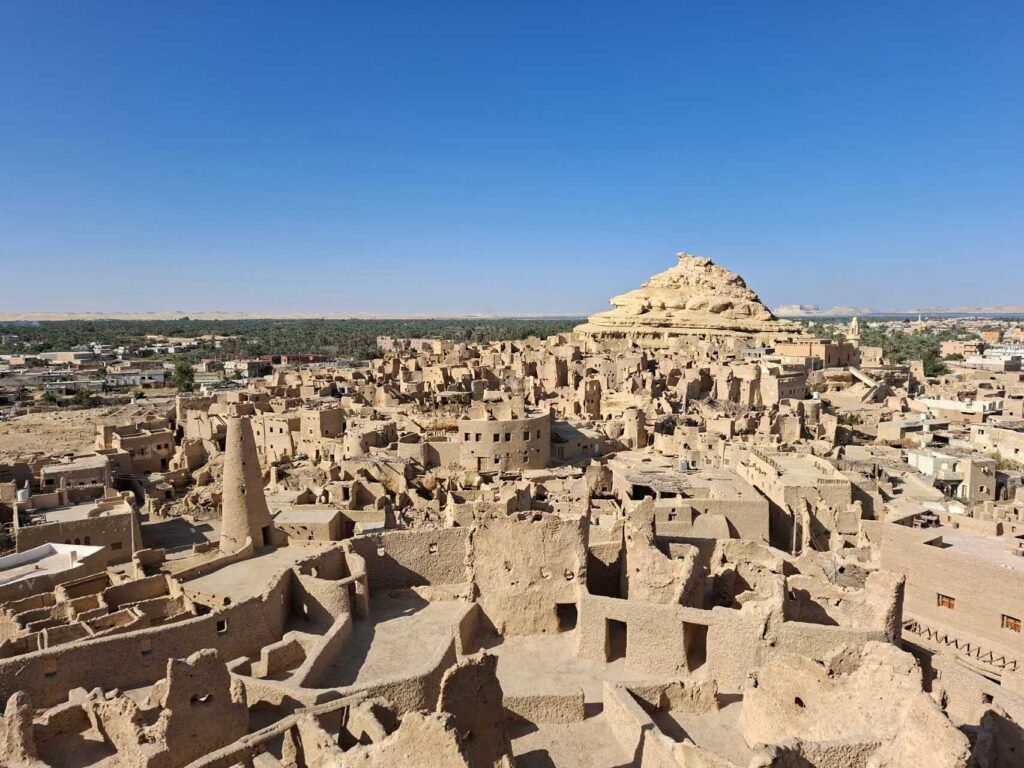
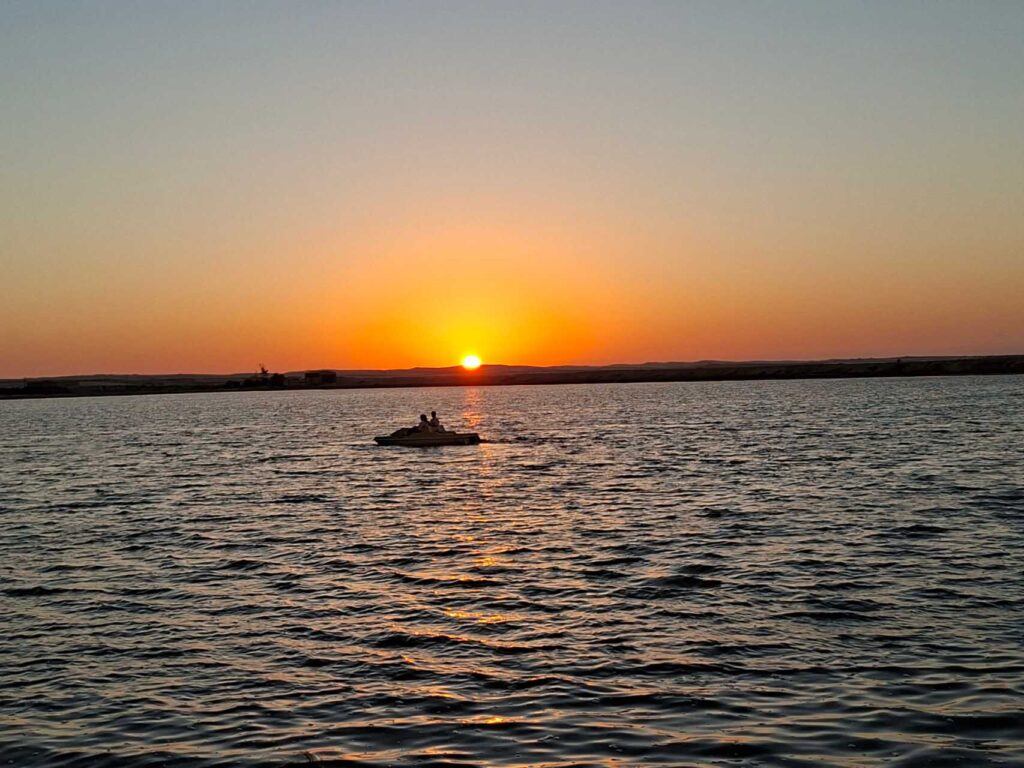
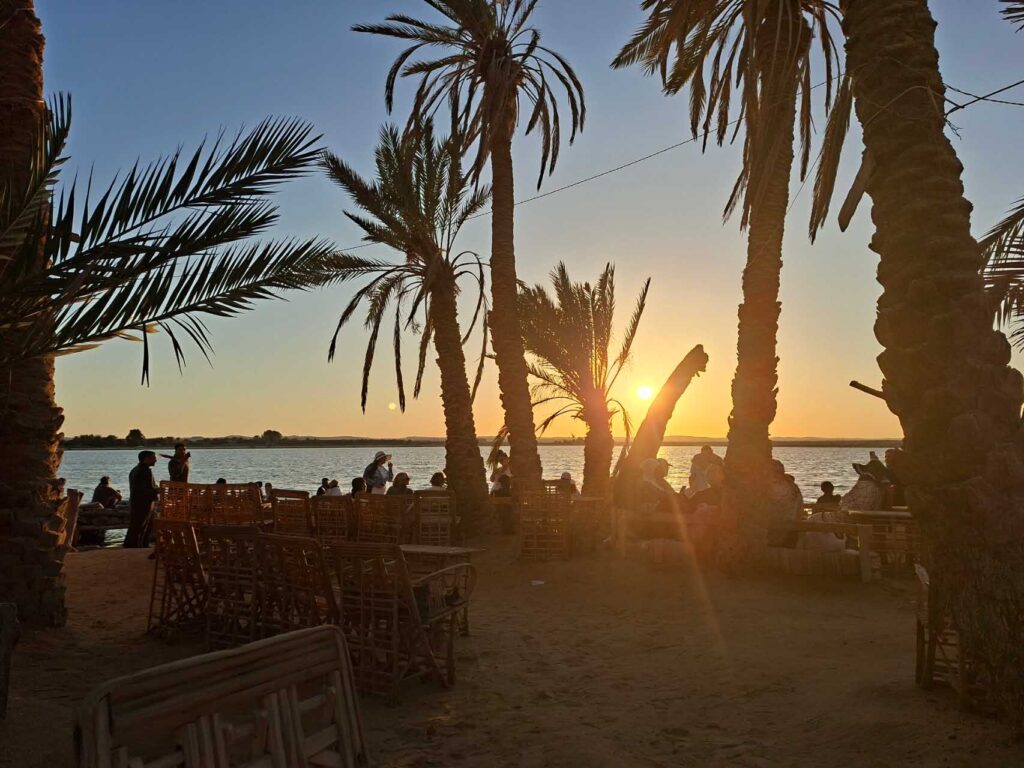
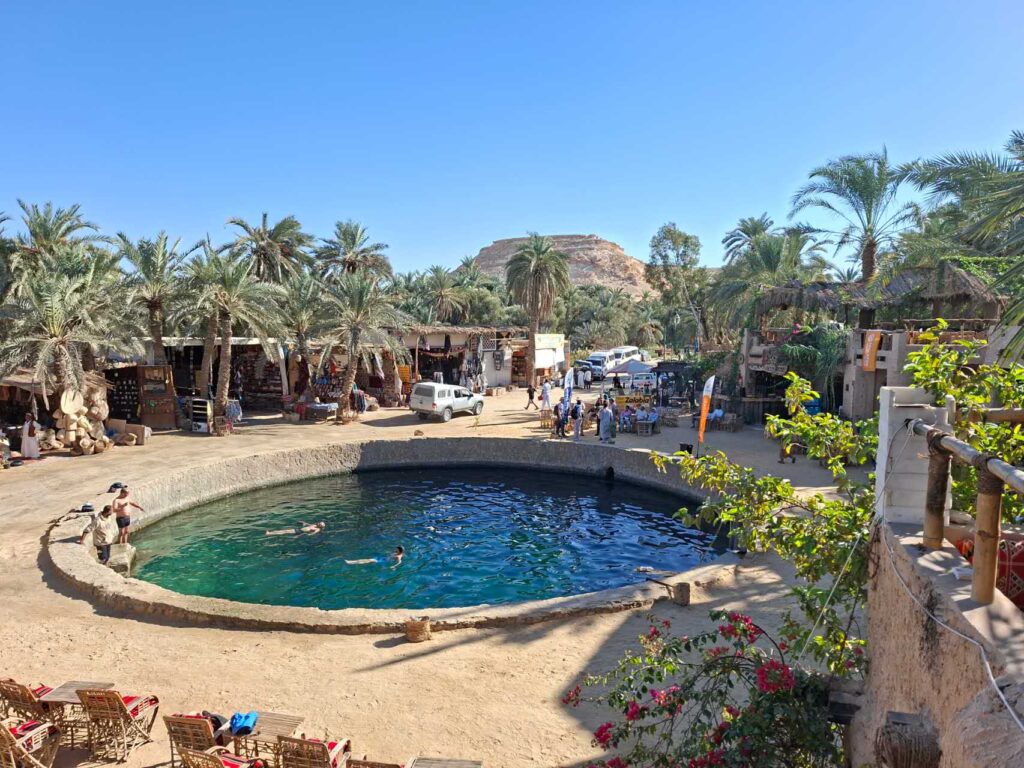
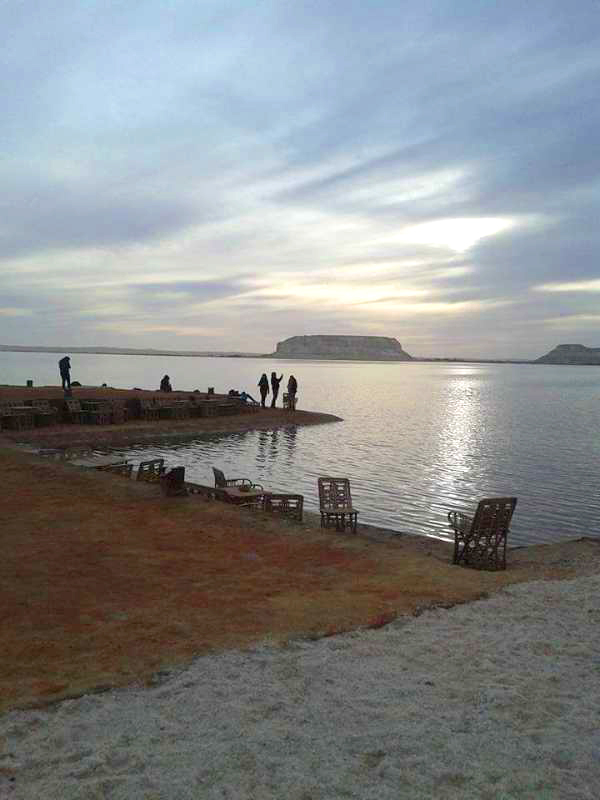
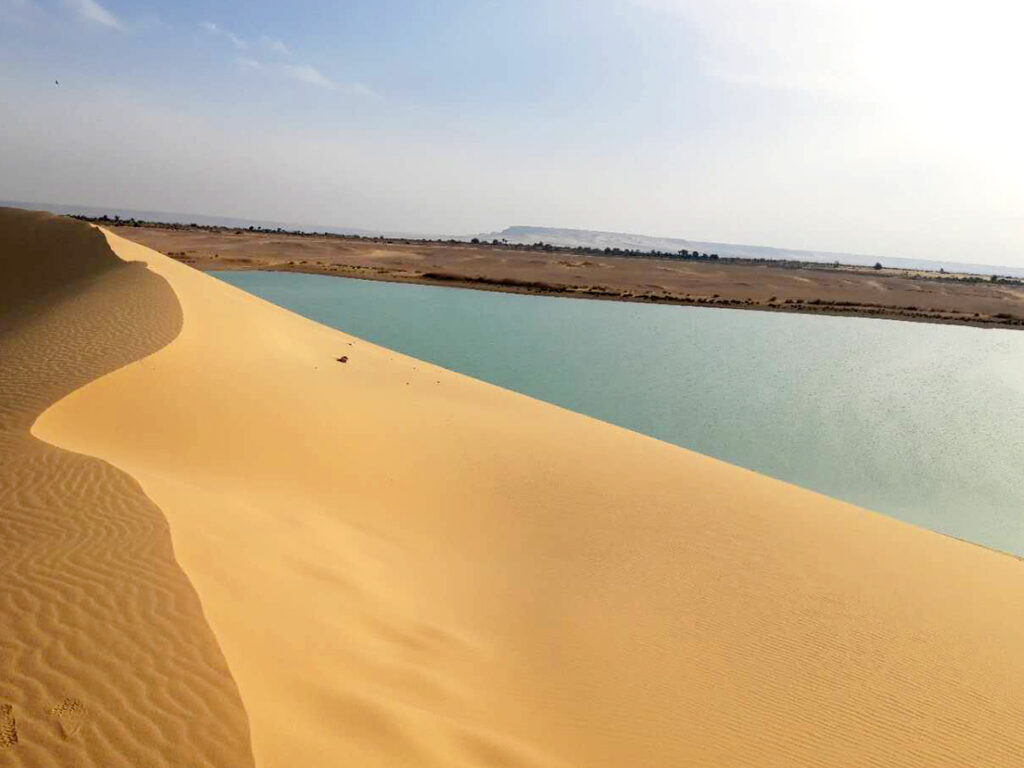
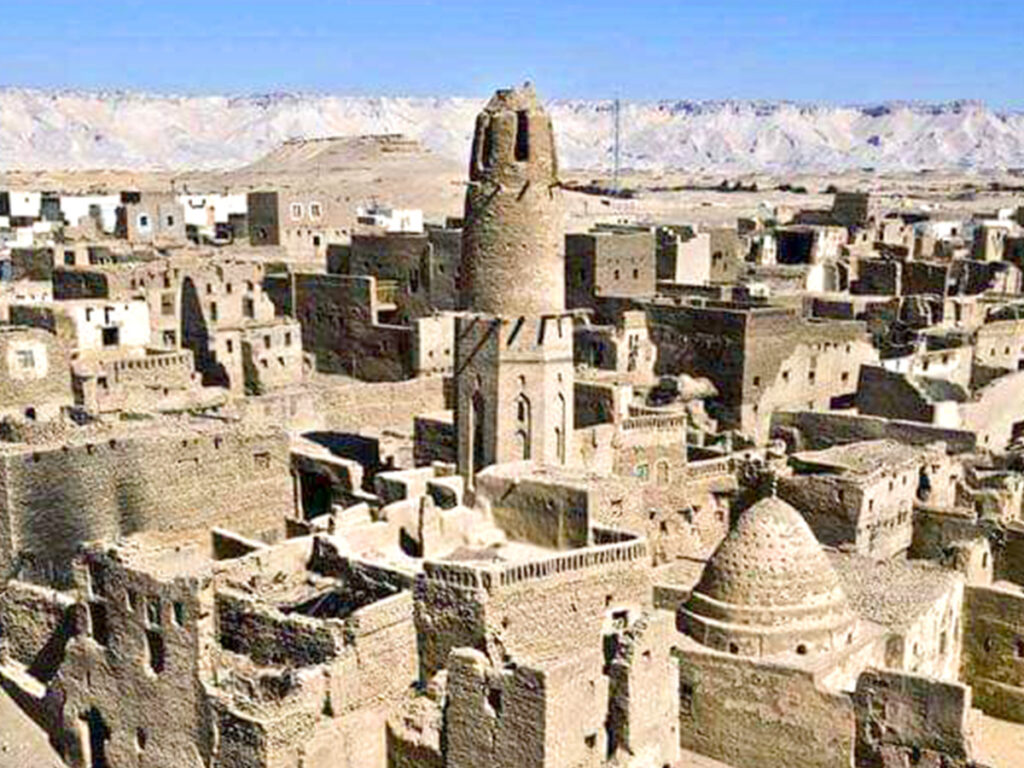
We visit many local places of interest; the tombs at Gebel al Mawta, , Cleopatra’s Bath, the old city of Shali, we go to Fatnis Island with Birket Siwa. There is nice sitting to watch the sunset. Back in town you can have dinner in the village and sleep in the hotel.
Day 2:
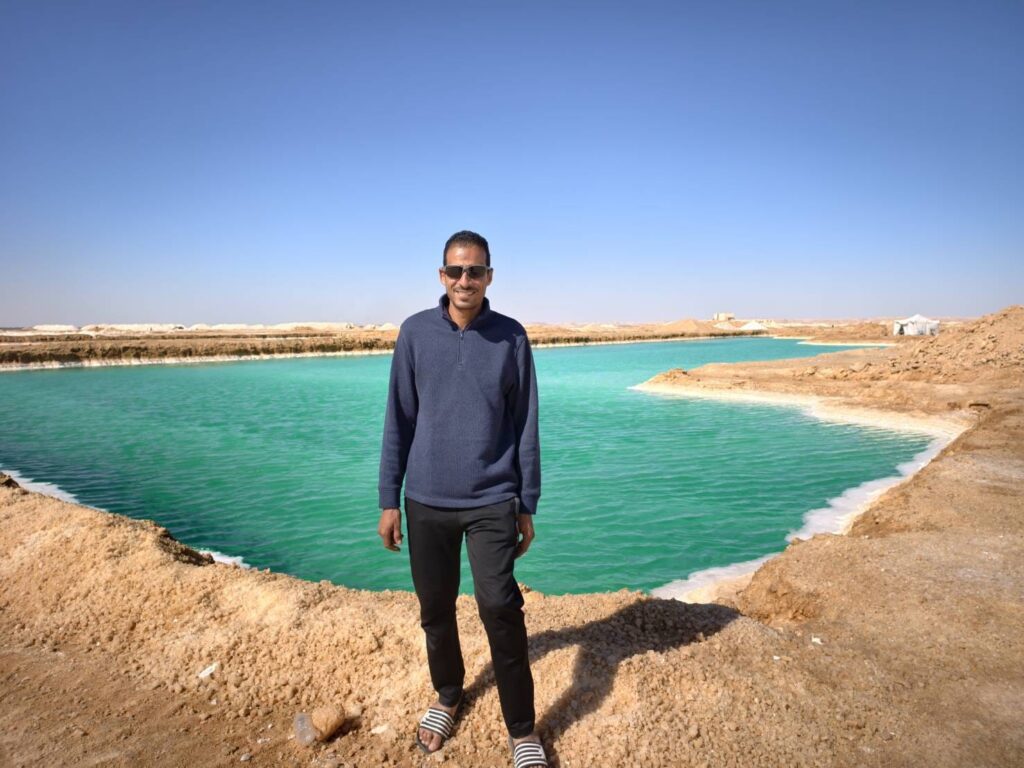
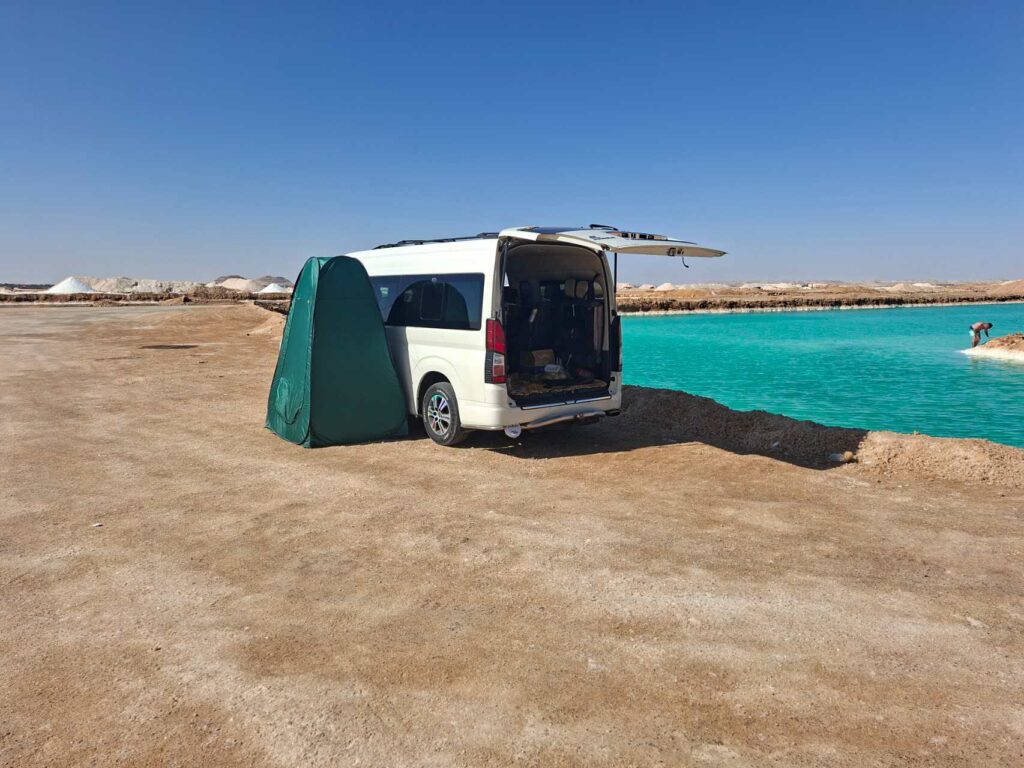
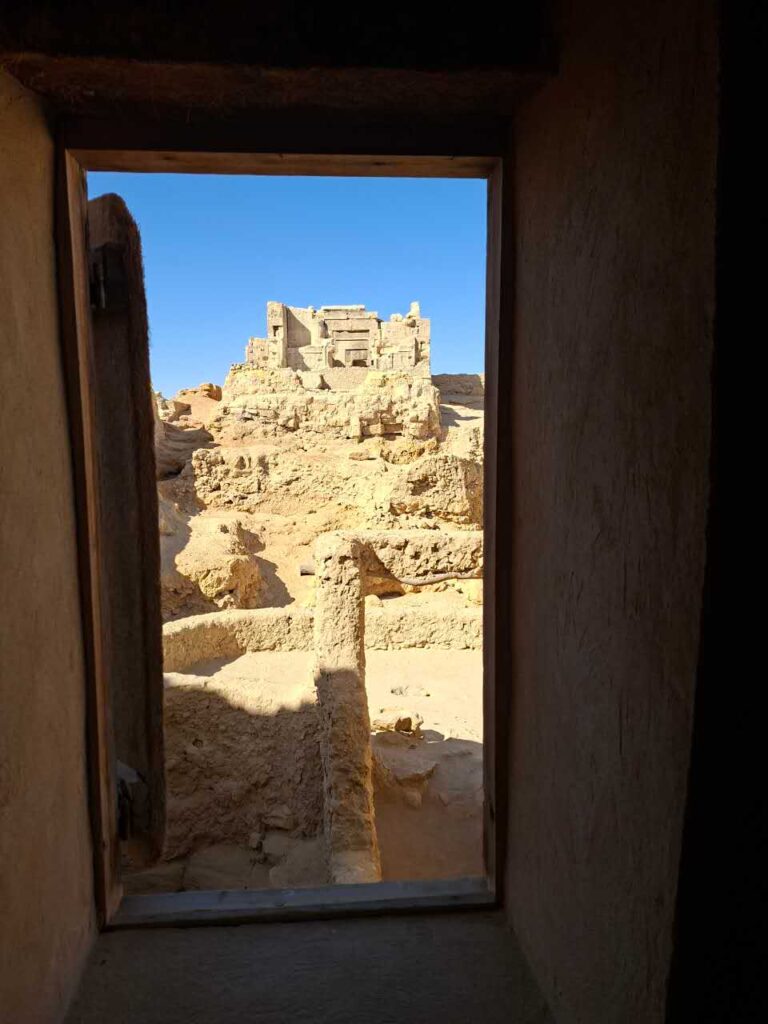
temple of Oracle from Alexander the Great. Then we go to the nice sold lake to swimming take time . Then we need to back hotel for shower.
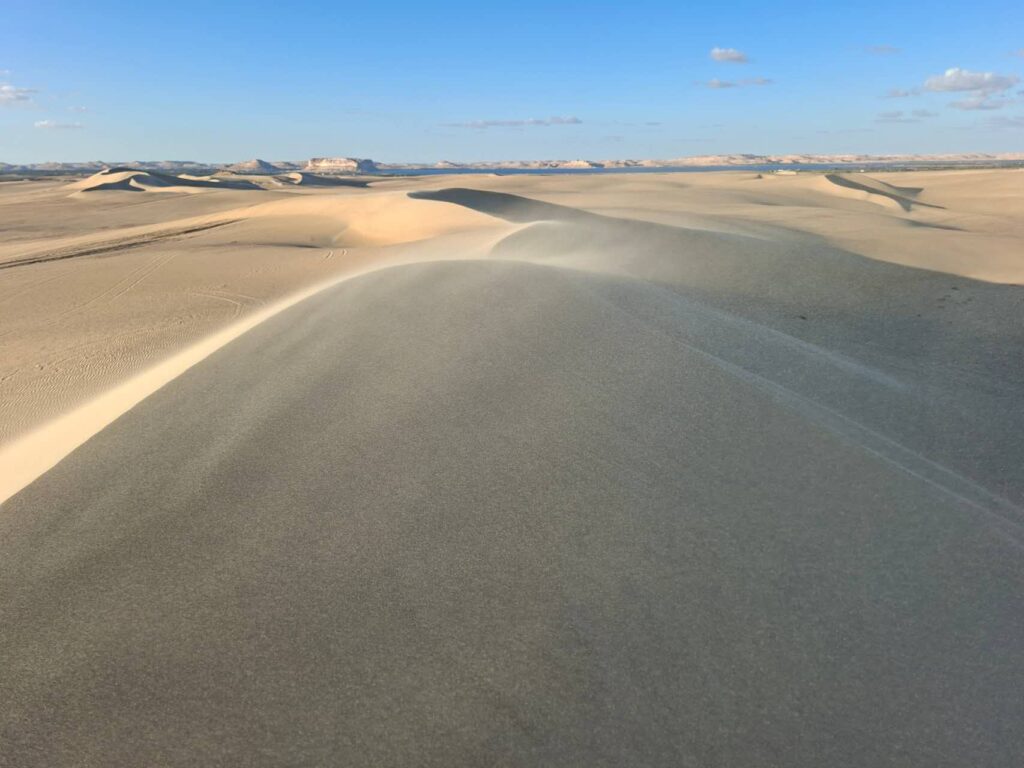
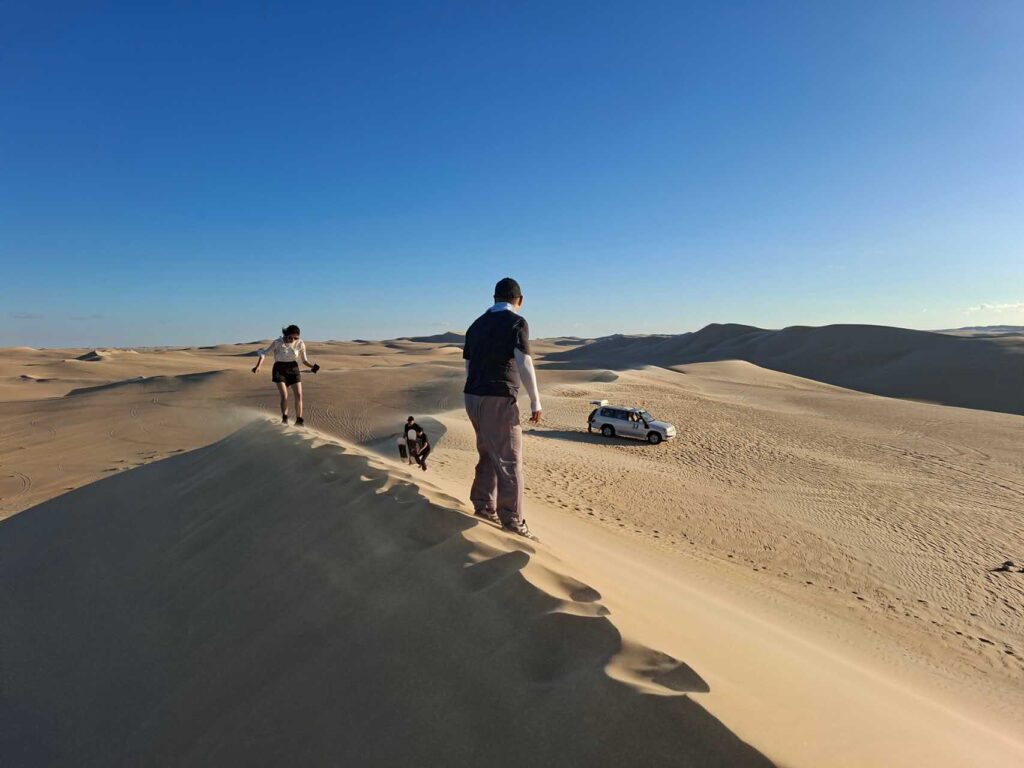
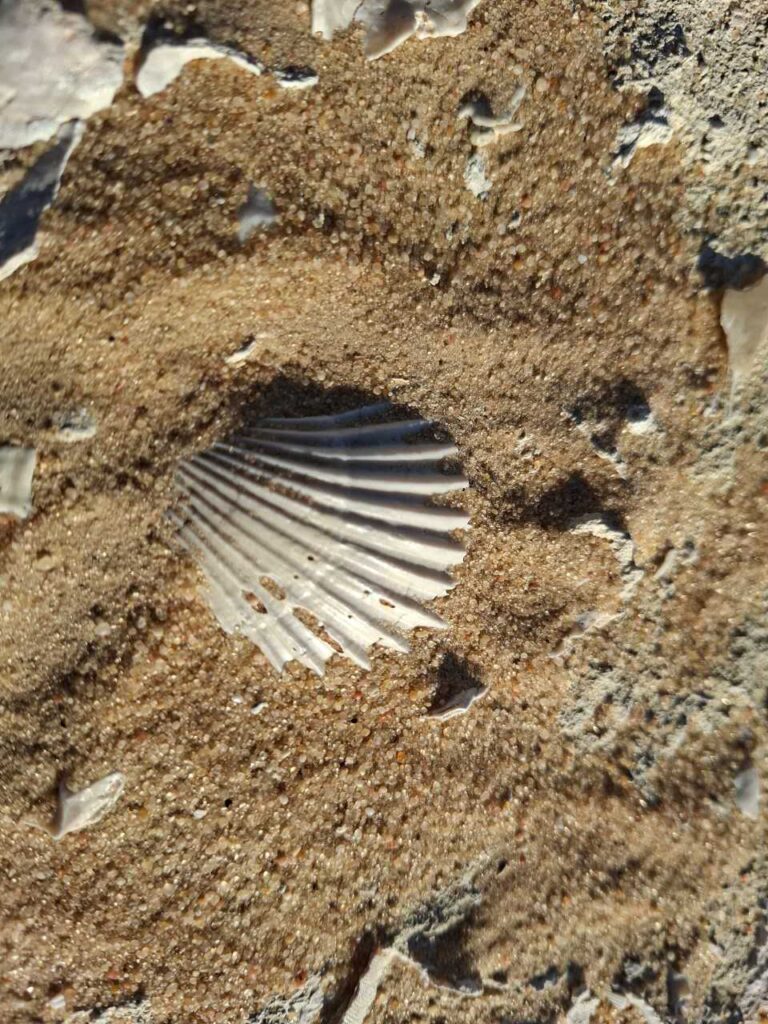
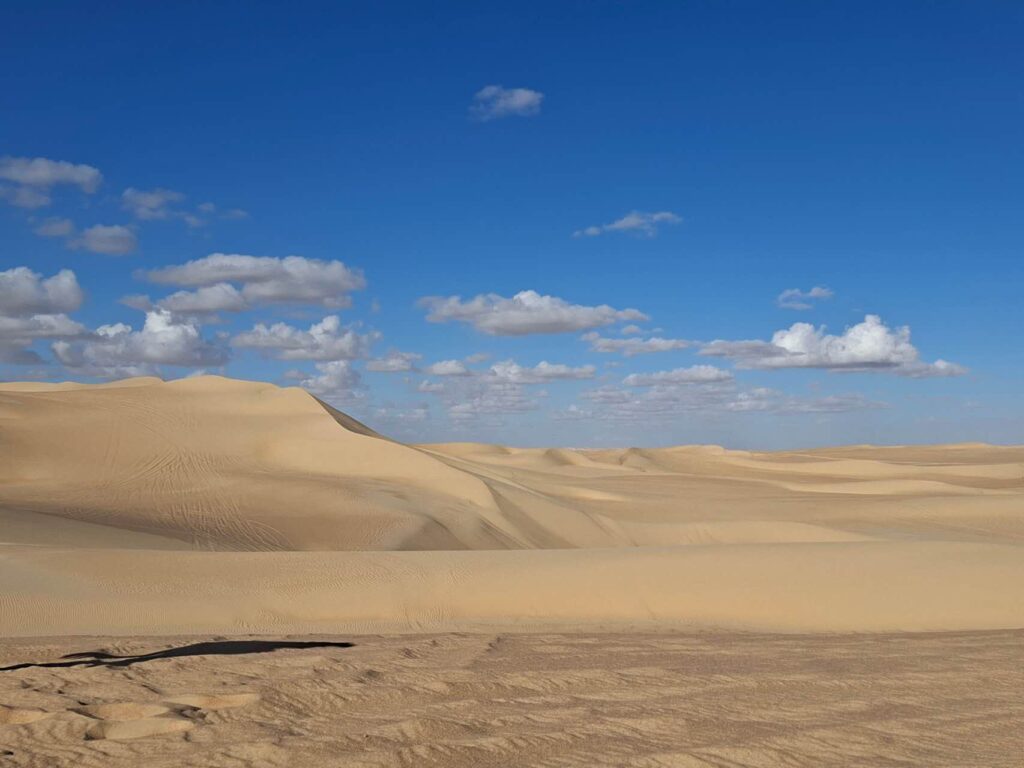
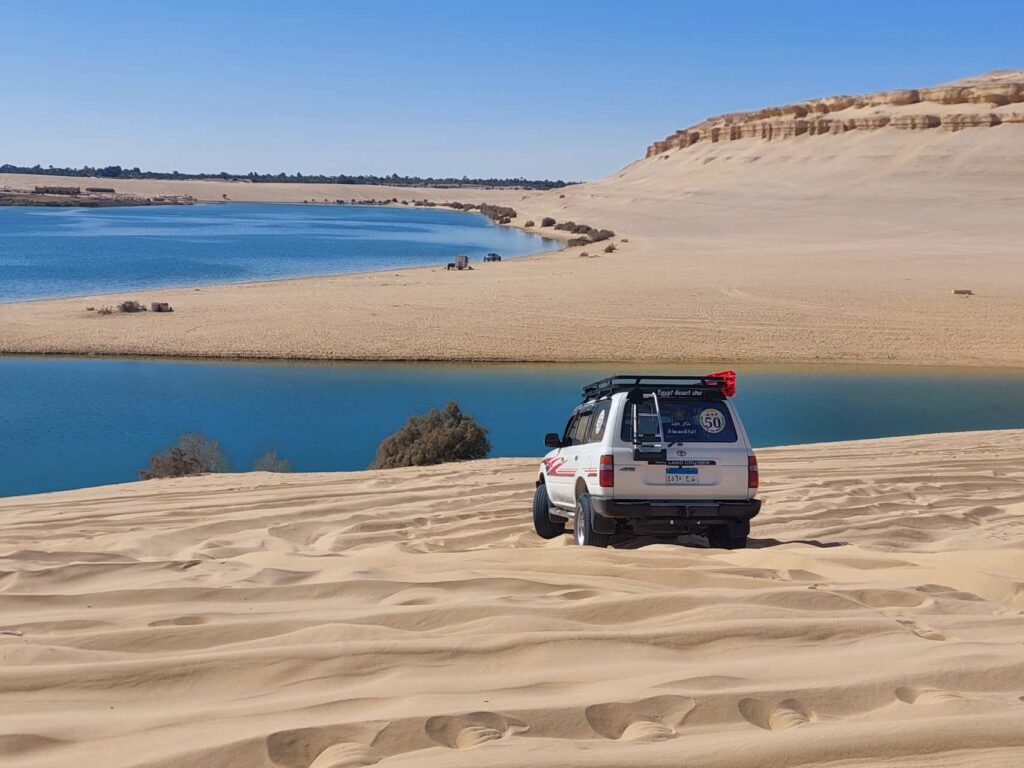
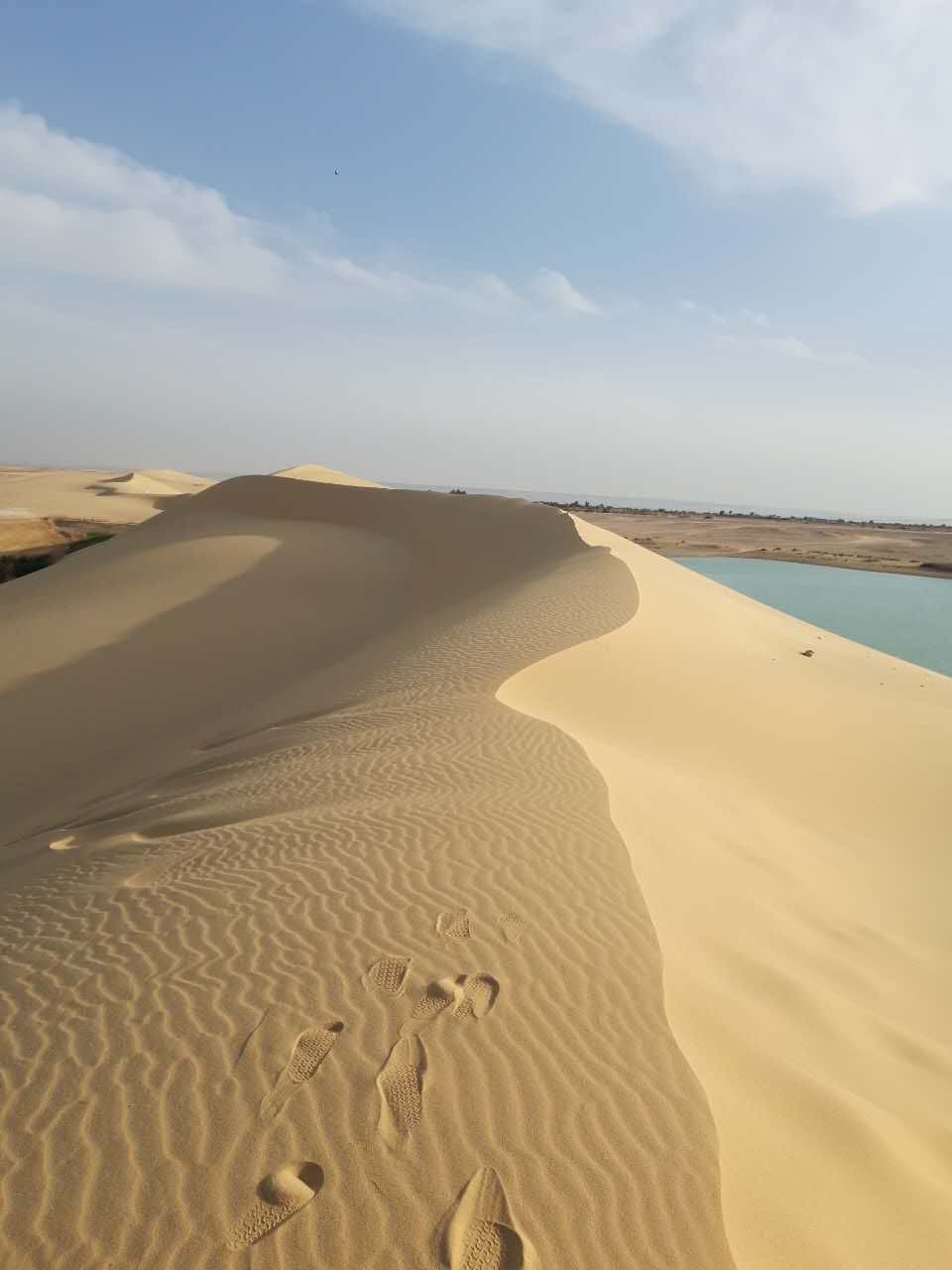
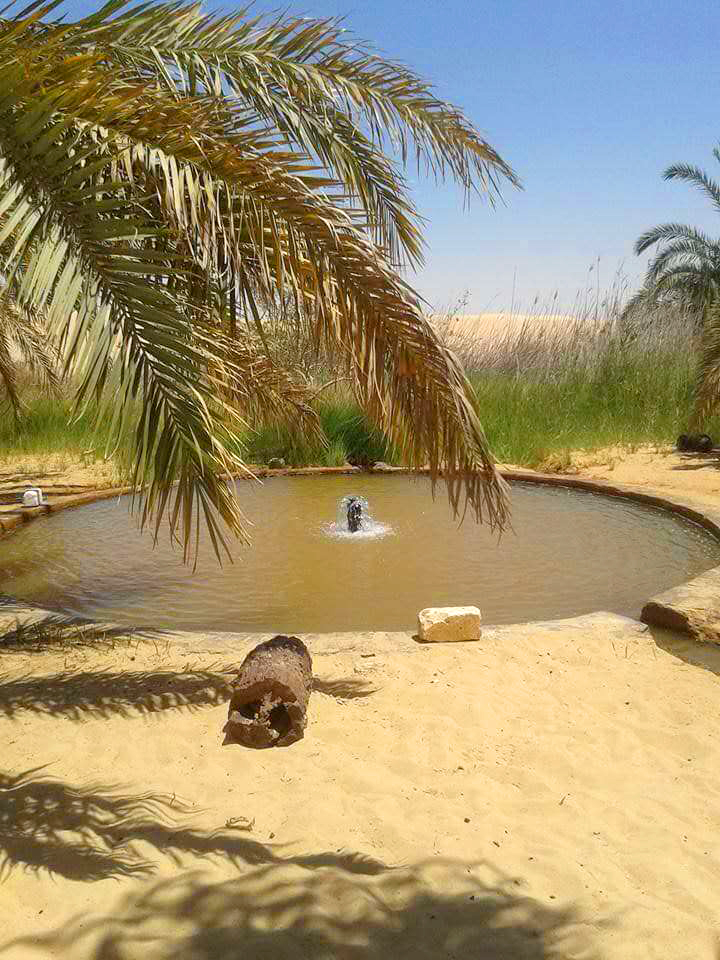
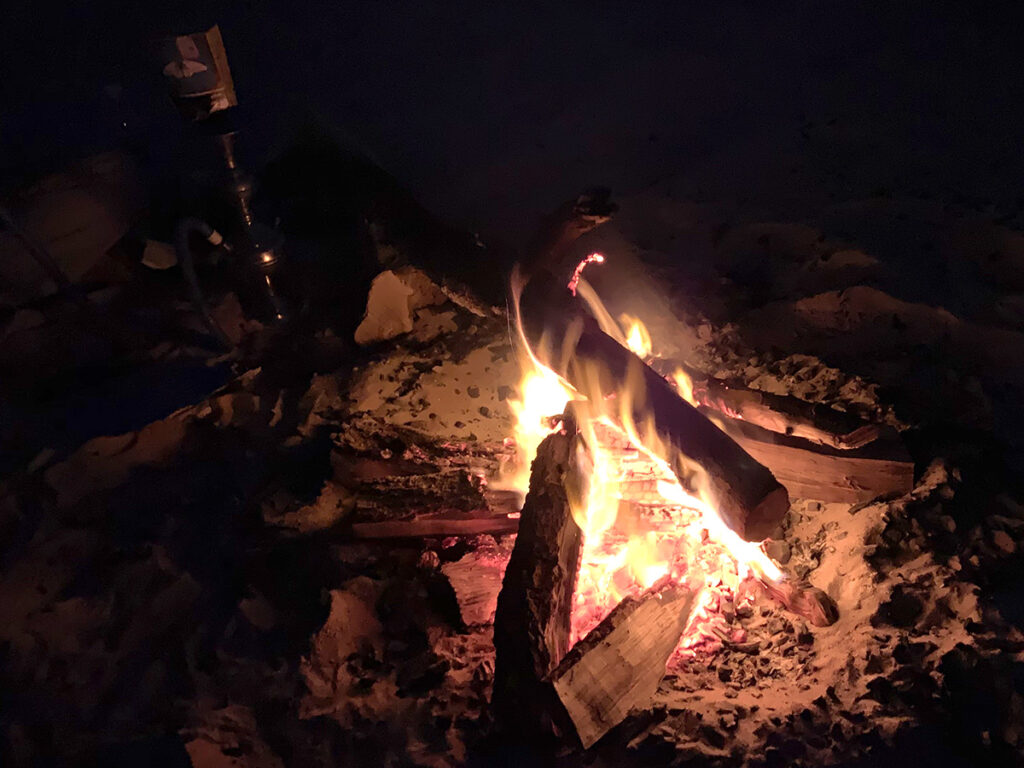
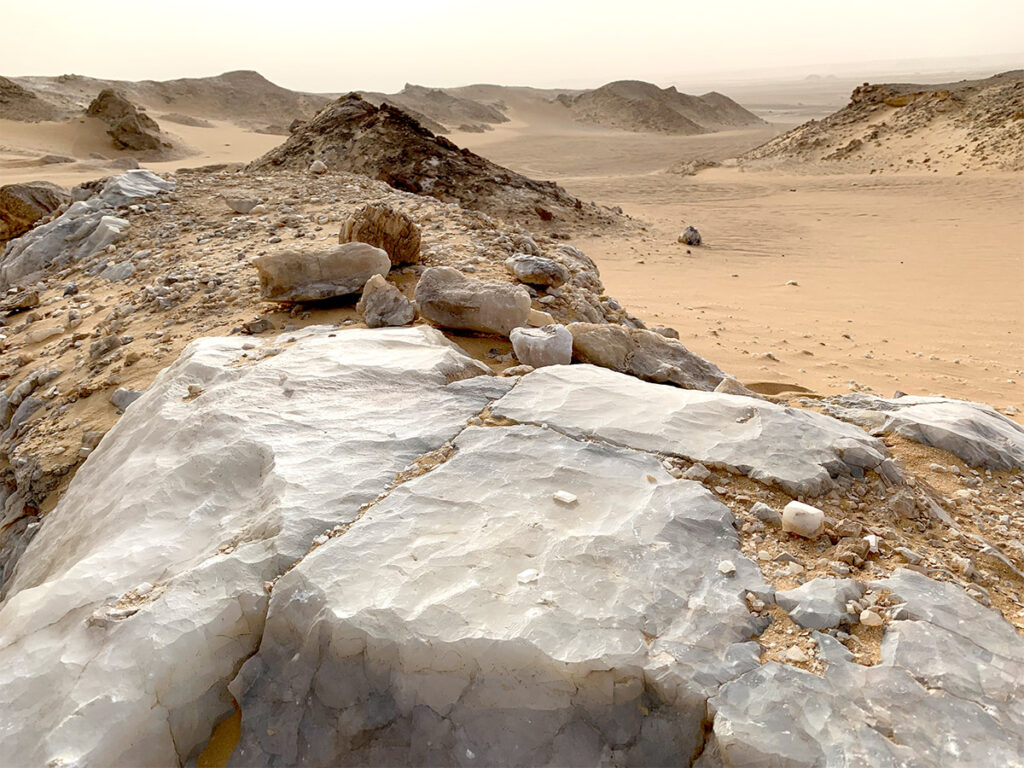
After lunch , we start driving 4×4 through the dunes of the Great Sand Sea to Bir Wahed, where you enjoy the warm water of hot spring like a jacuzzi. On this trip there are places where you can find fossils and we can watch wonderfull sunset from the dunes. With Bedouin tea. Come back hotel with sunset time. Have dinner. Then walk in the market of siwa . Come back hotel.
Day 3:
After breakfast , just way back to Cairo. Stop for preak in Matruh by the sea . Have lunch. And keep back to Cairo.
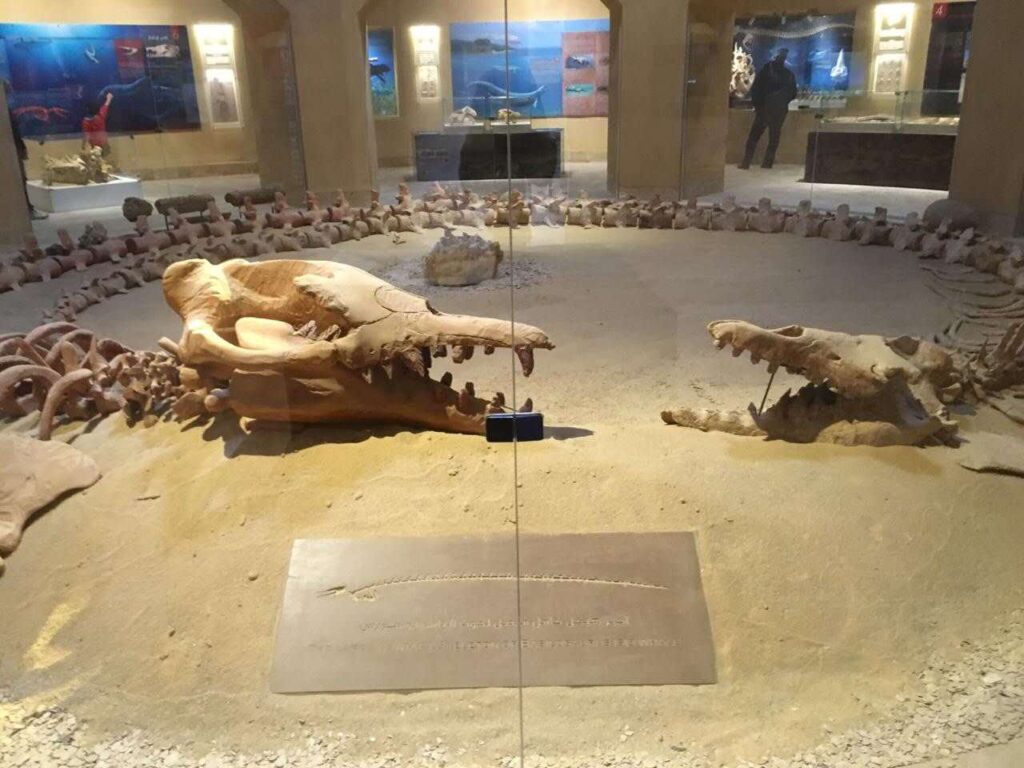
Direction: Wadi Al Hitan “The Valley of Whales” which in also located in the protected Area of Wadi El Rayan. Wadi Al Hitan, is located 35 KM west of the Wadi El-Rayan, it was designated by the UNESCO in 2005 as a world heritage site after they found a 40 million year-old whale skeletons.
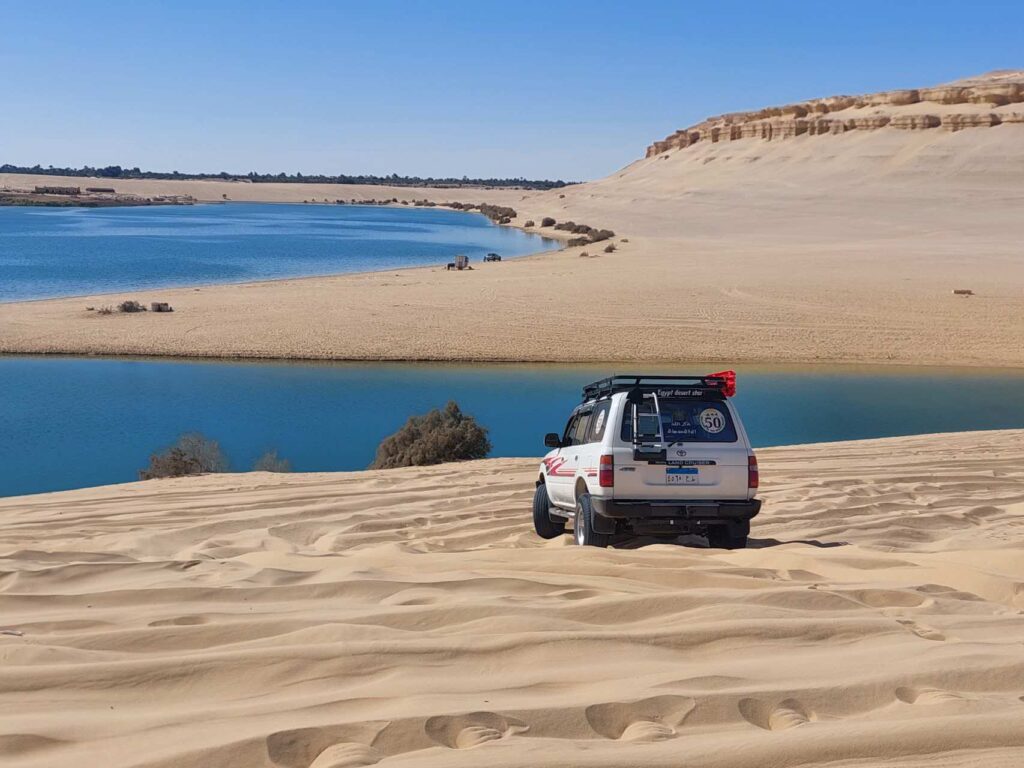
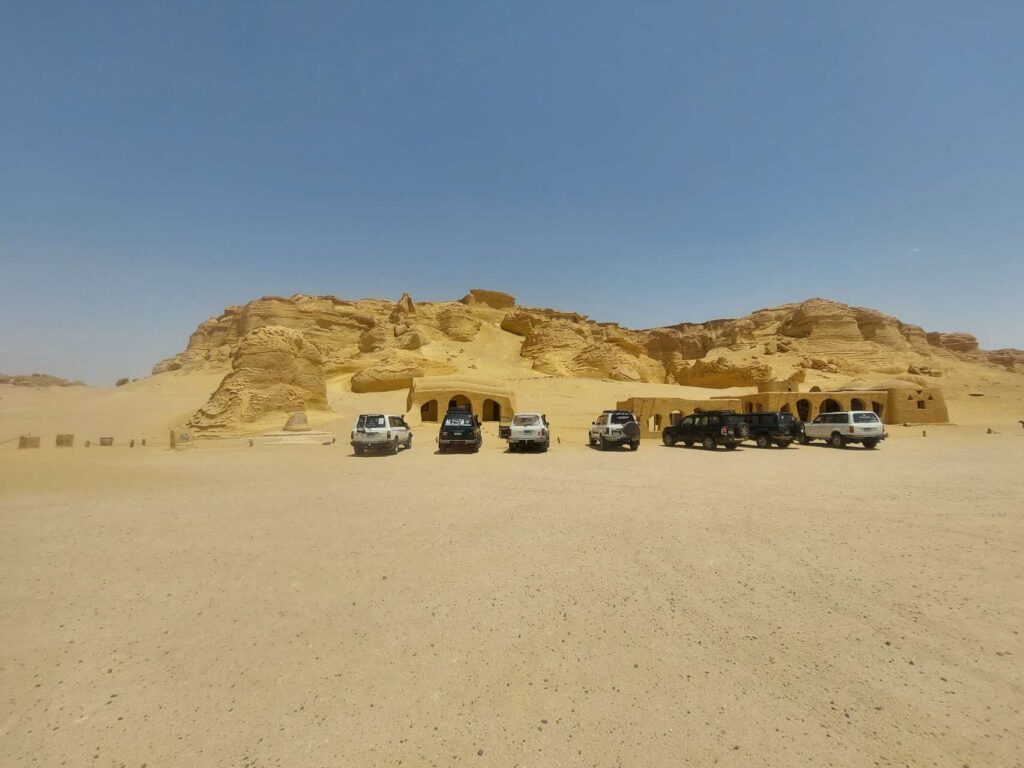
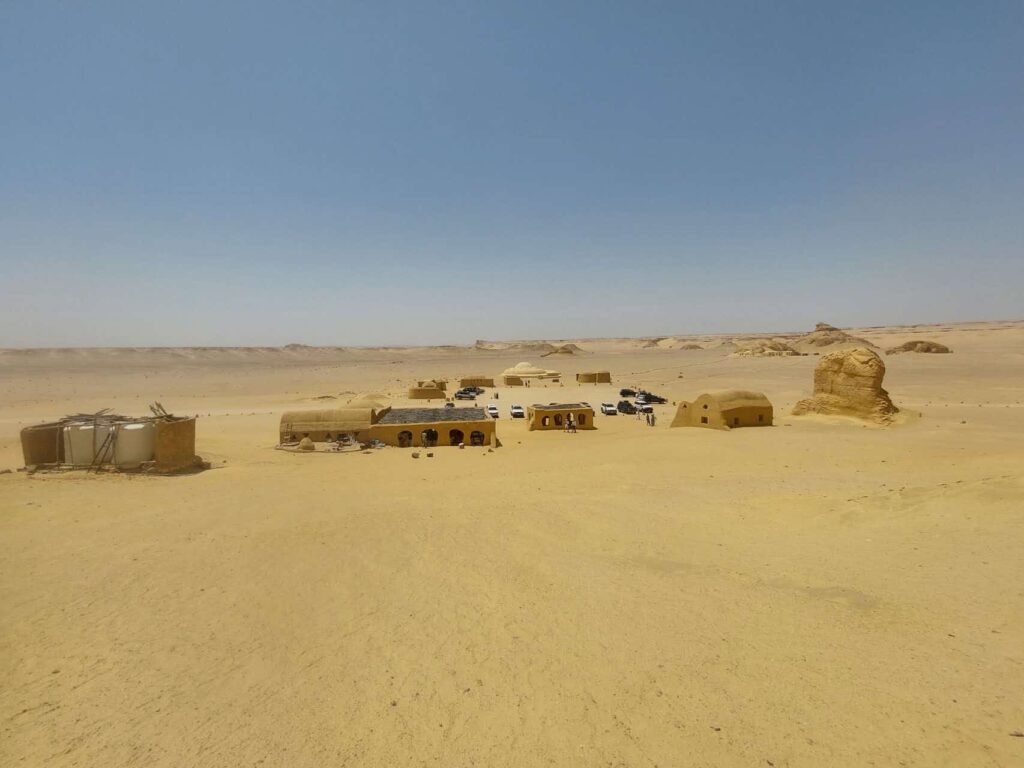
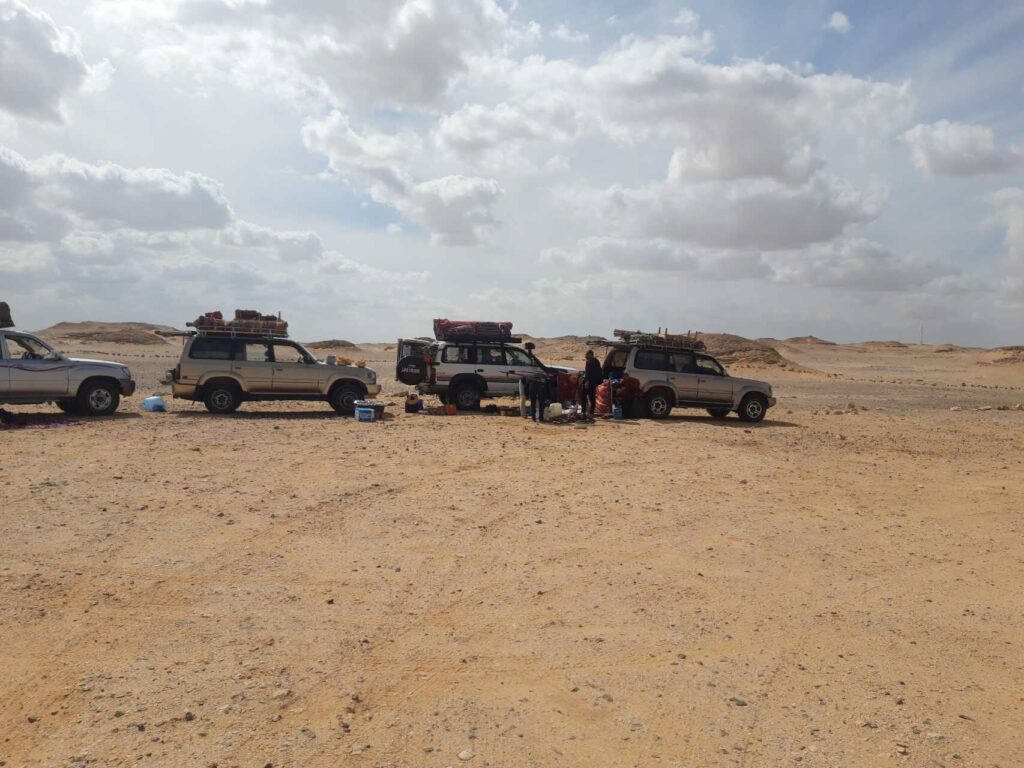
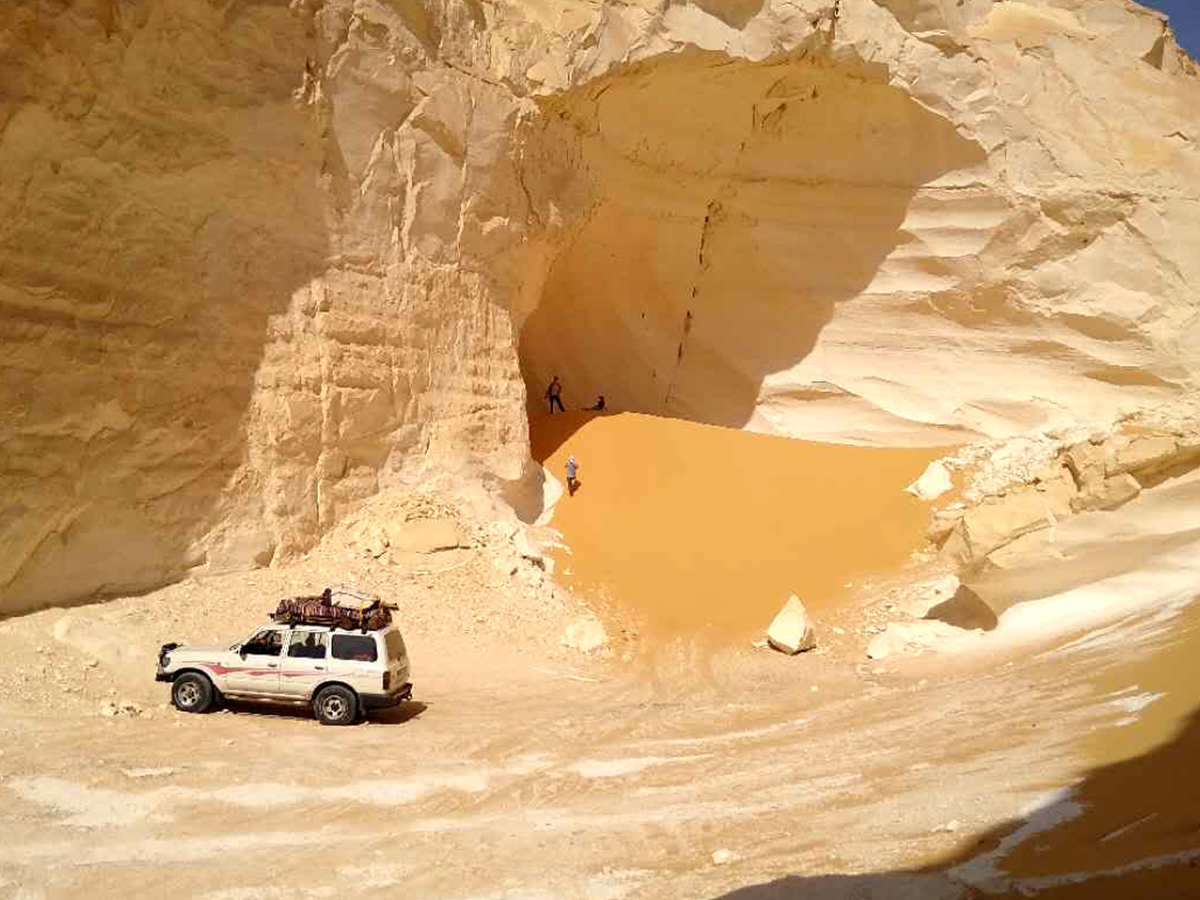
We will do some sand bashing with my 4×4 jeep if you like on our way to the main site. (Please advise me if you have any heart condition, back or neck problems or any other health problems before hand). Wadi Al Hitan “The Valley of Whales is an area full of fossils. 2- Visit of the “Fossil & Climate Change Museum”, which host a variety of whale fossils and walking the fossils track outside in this area. N.B: I will prepare lunch during your visit, which will be ready and soft drinks and some other beverages will be available for purchase at this stop.
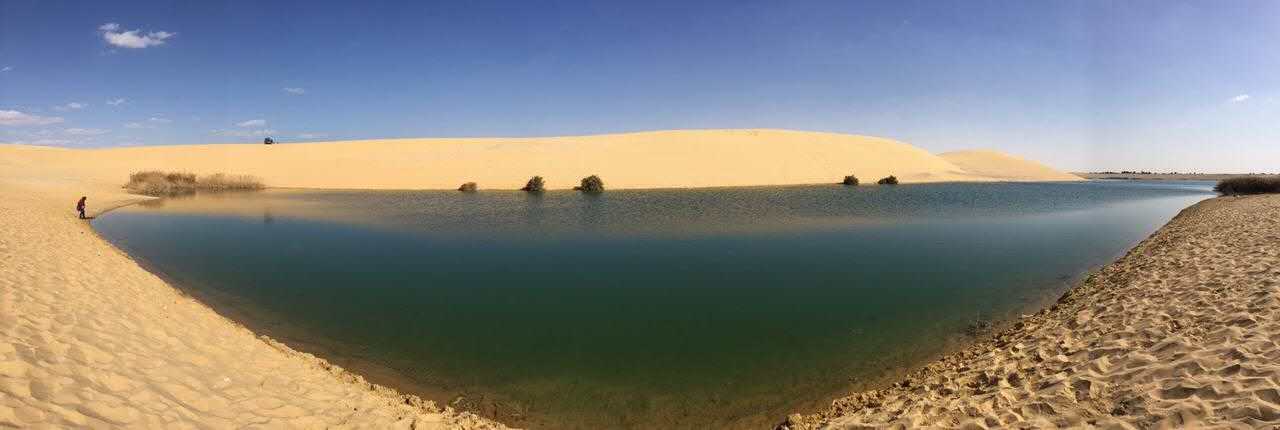
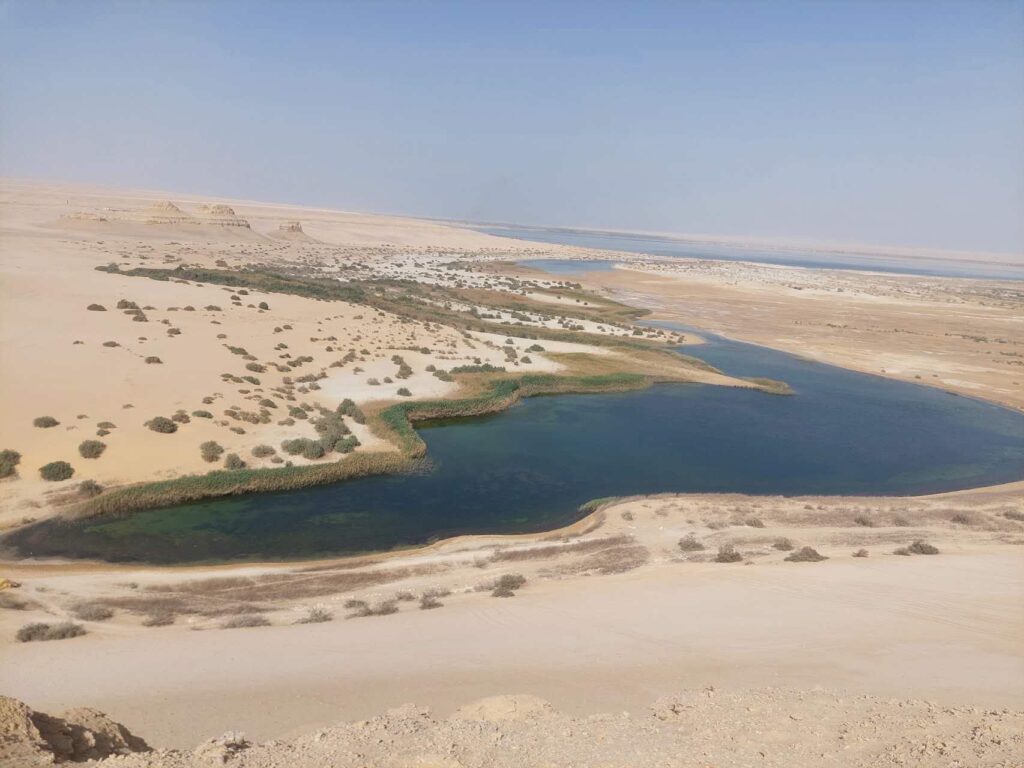
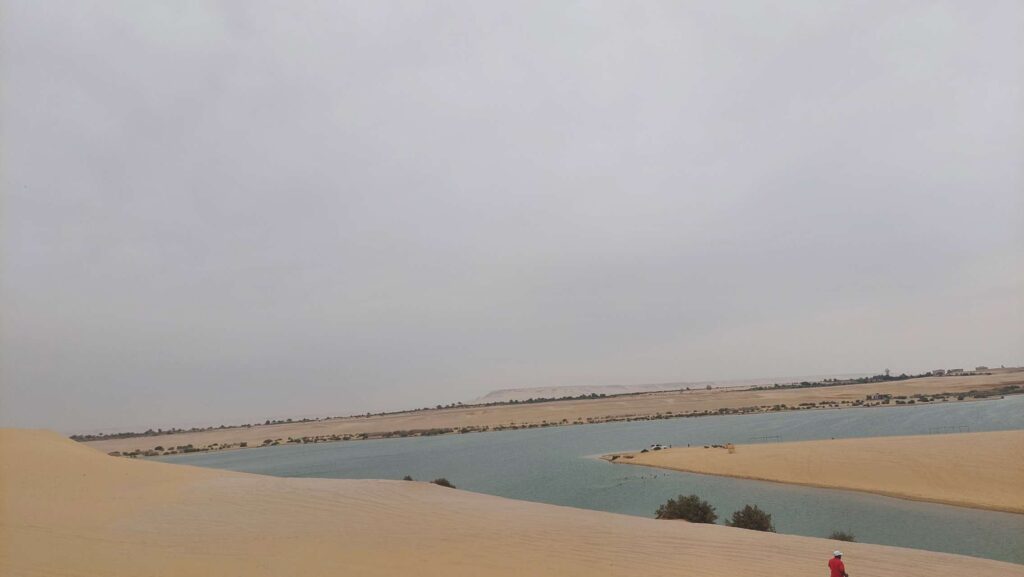
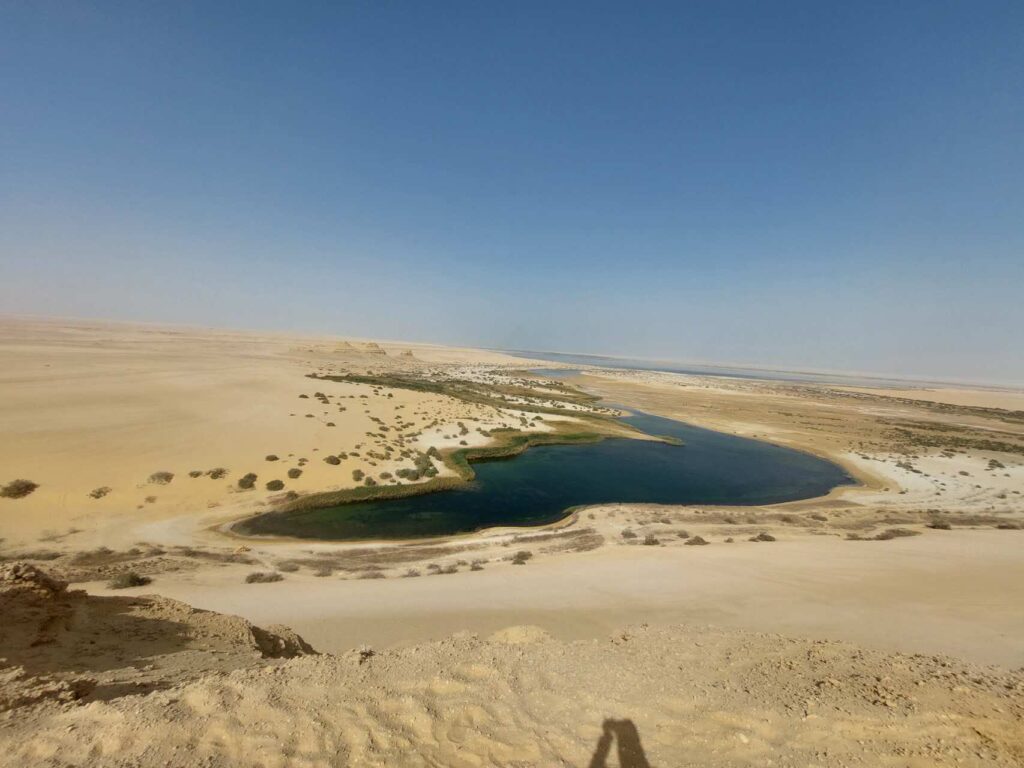
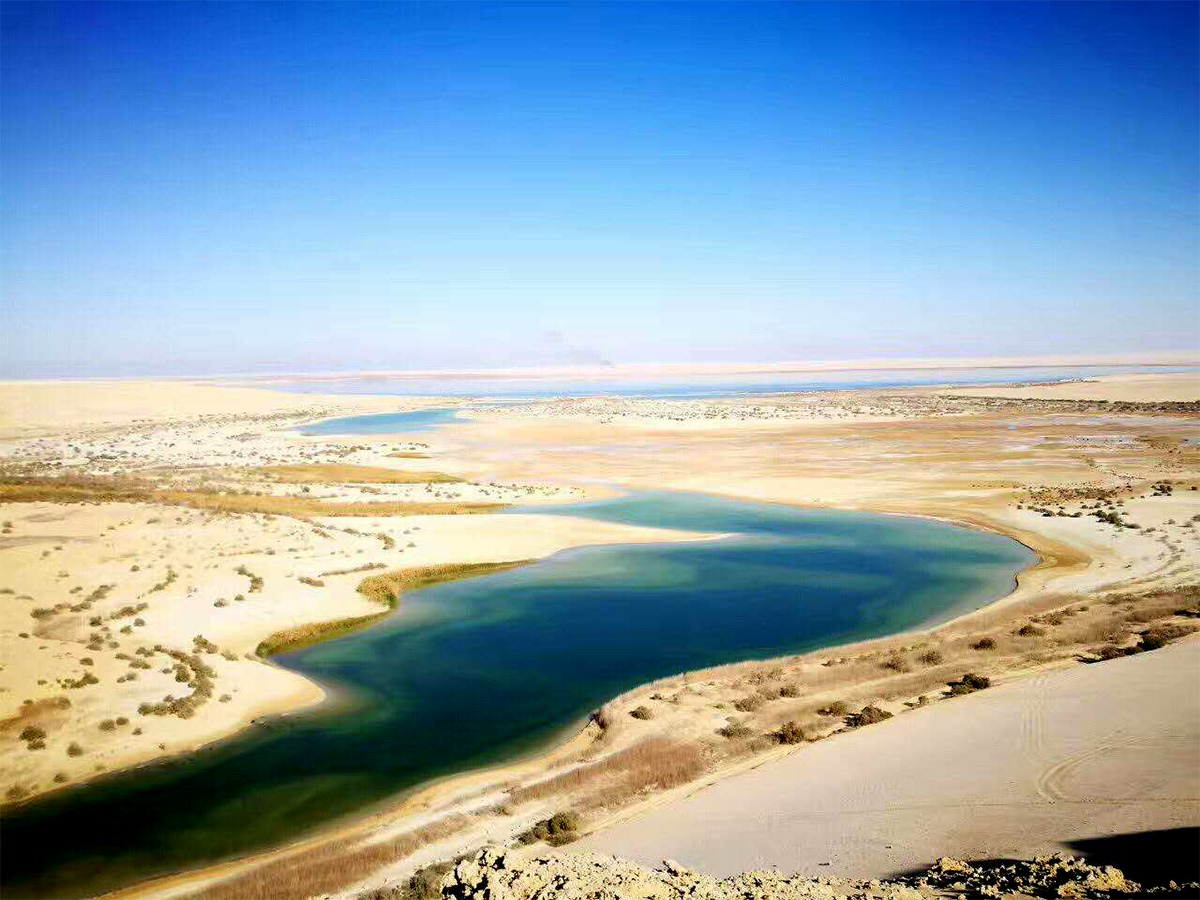
Visit of the Magic lake. Amazing view of the nicest lakes in Egypt.
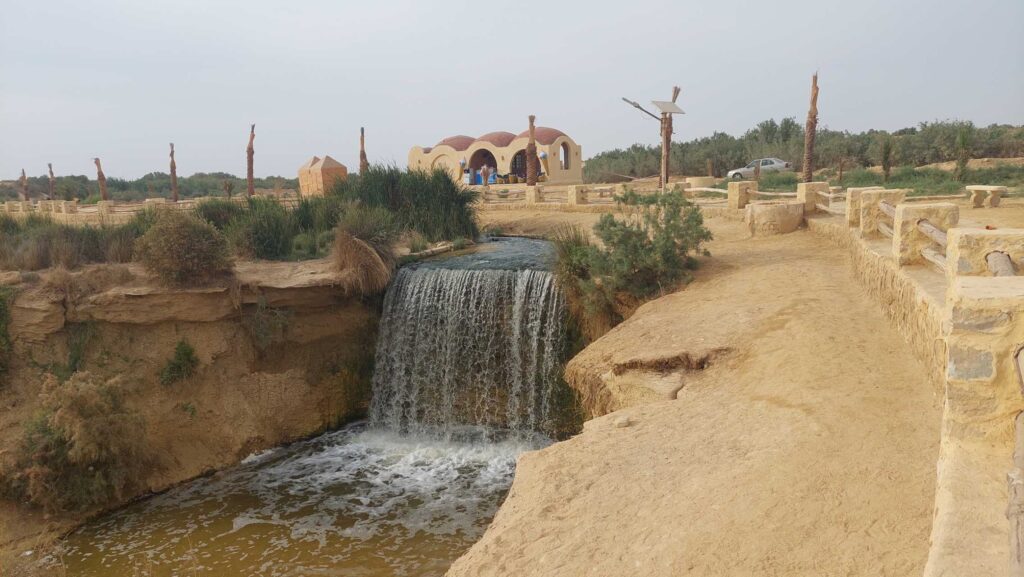
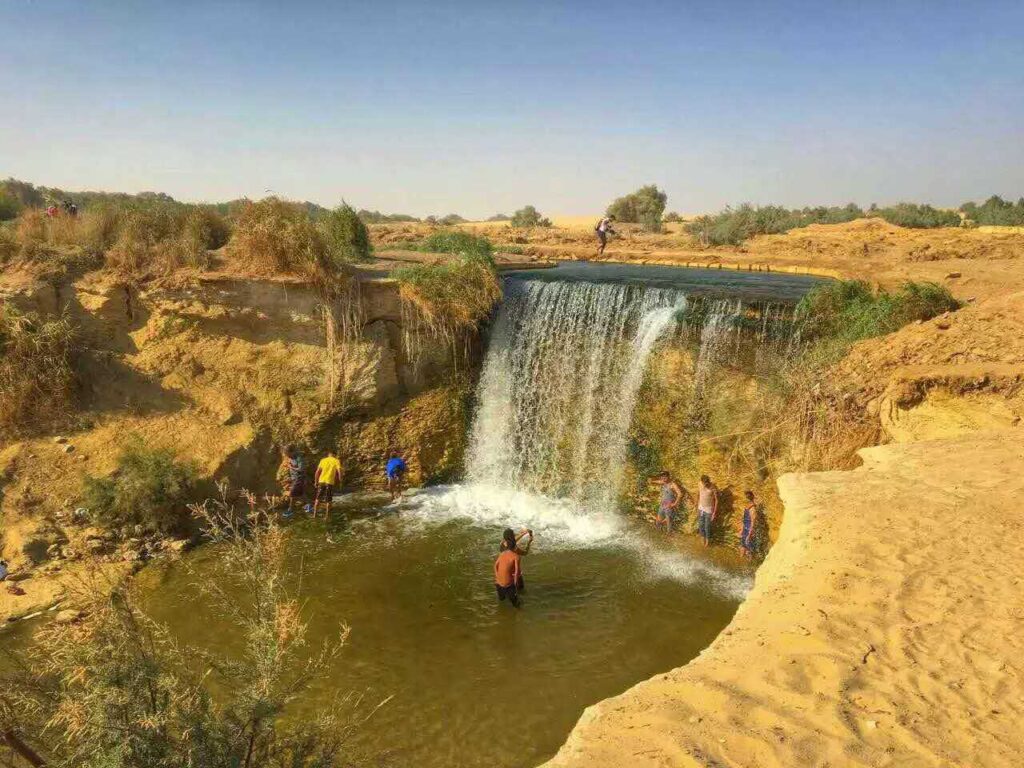
Visit of: Wadi El-Rayan water fall .
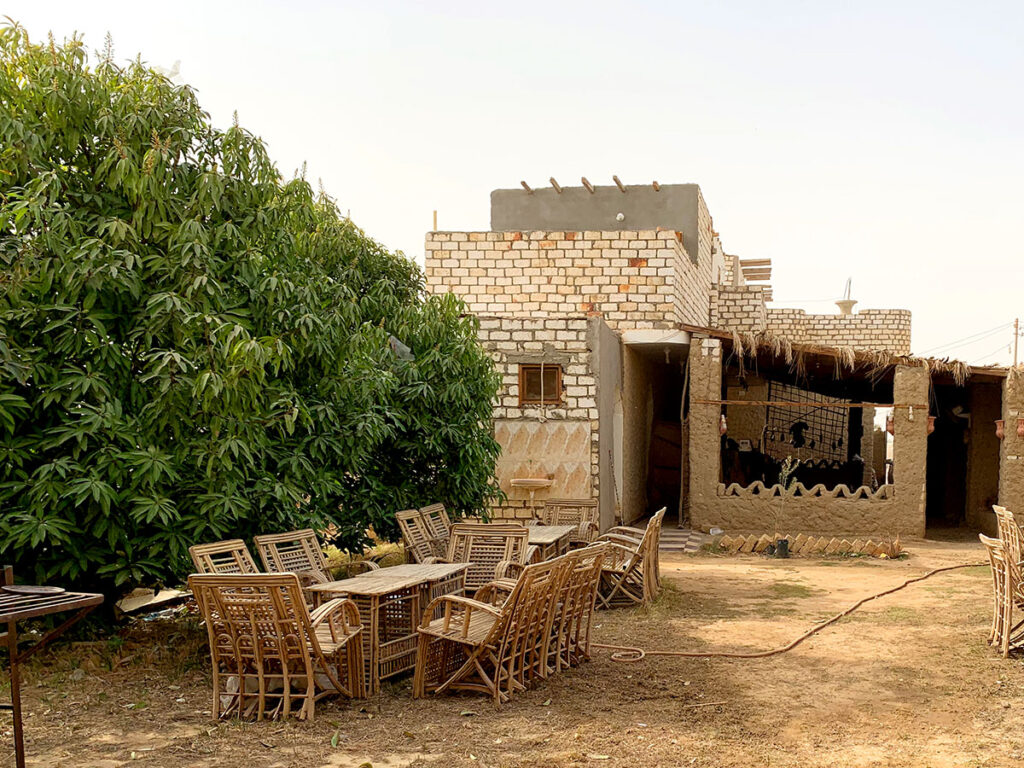
Over night in the pottery village “Tunis” in a beautiful house with pool. Diner will be prepared there while you settle into your rooms and served later that evening on the porch, garden side of the house. You are free to take time visit the village while we prepare your meal.
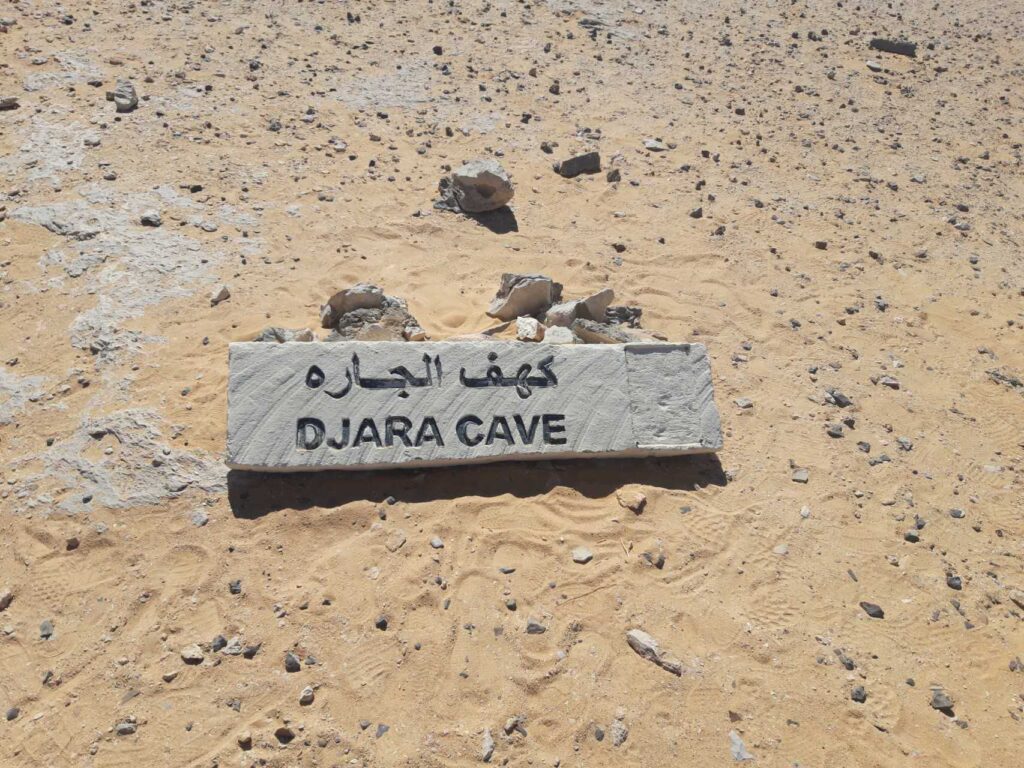
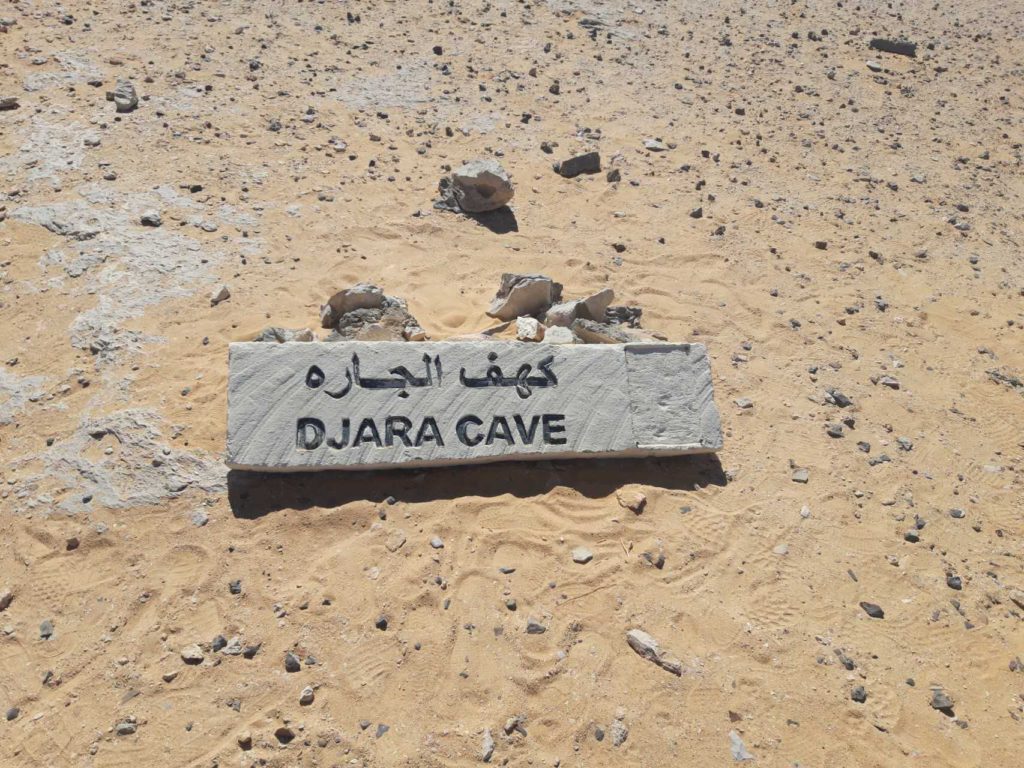
In 1990, an excellent group of specialists in this field from Cologne, Berlin, and Cairo undertook the first archaeological survey based on scientific grounds for the cave paintings.
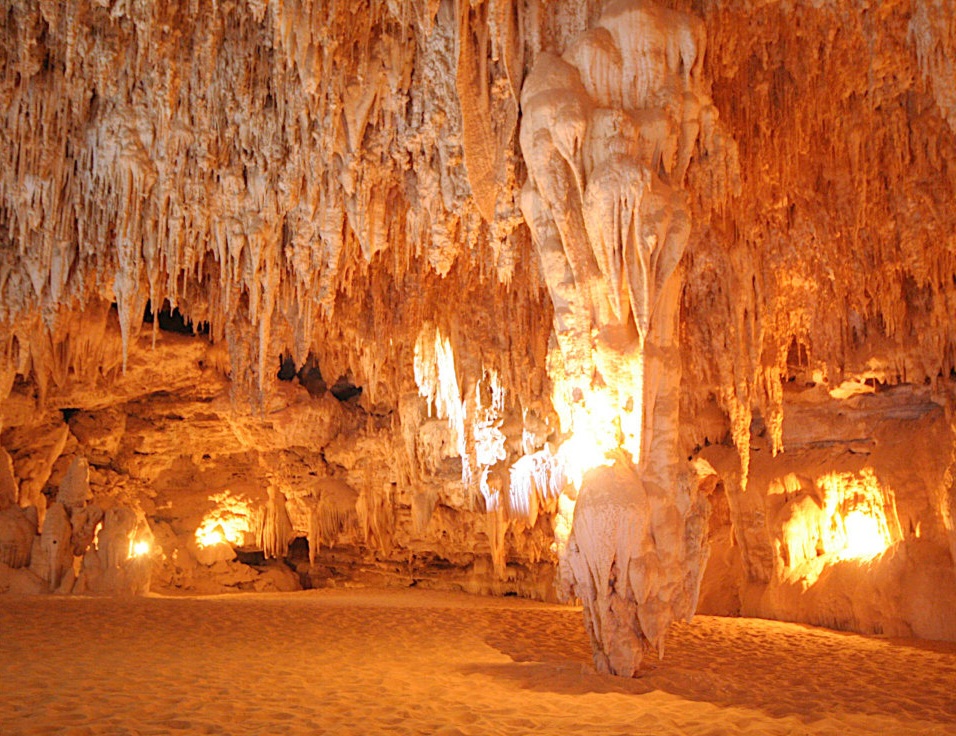
From the beginning of 1999 to the end of 2002, drawings and decorations were thoroughly investigated as part of a larger scientific endeavor. The cave has magical dimensions that arose naturally as a result of water, where the pure and dry desert climate over millions of years contrasts with all of the region’s caves in its formations and the shape of its wonderful sediments, with the heights of the sedimentary formations reaching three or four feet, according to Rolfes’ description.
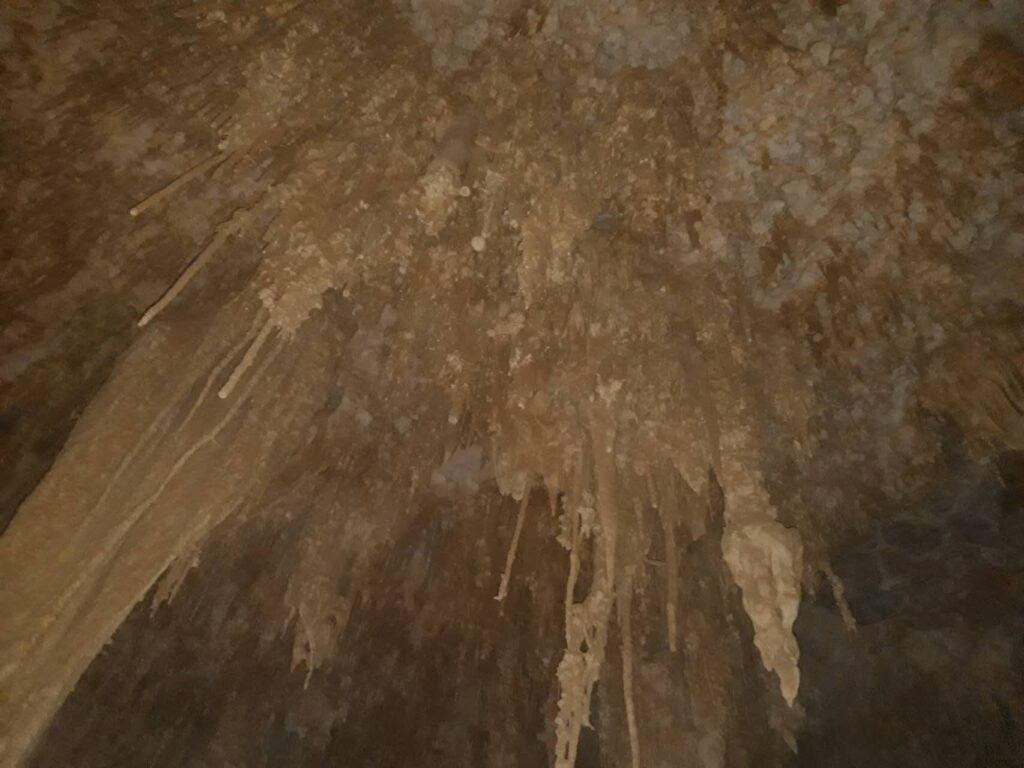
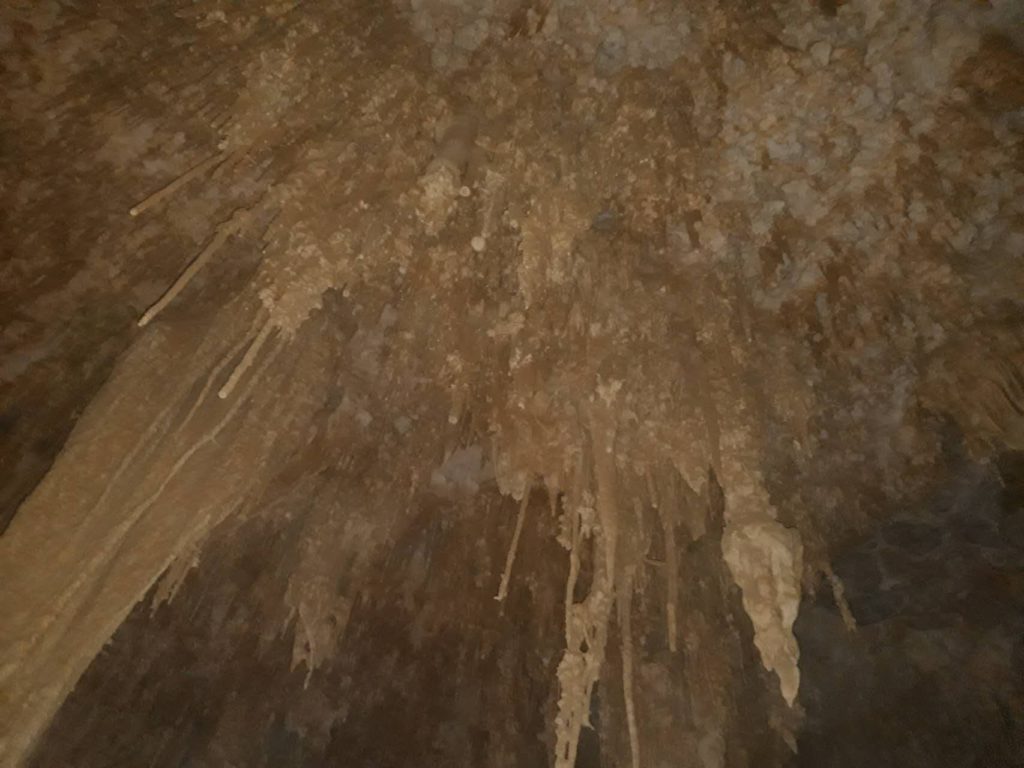
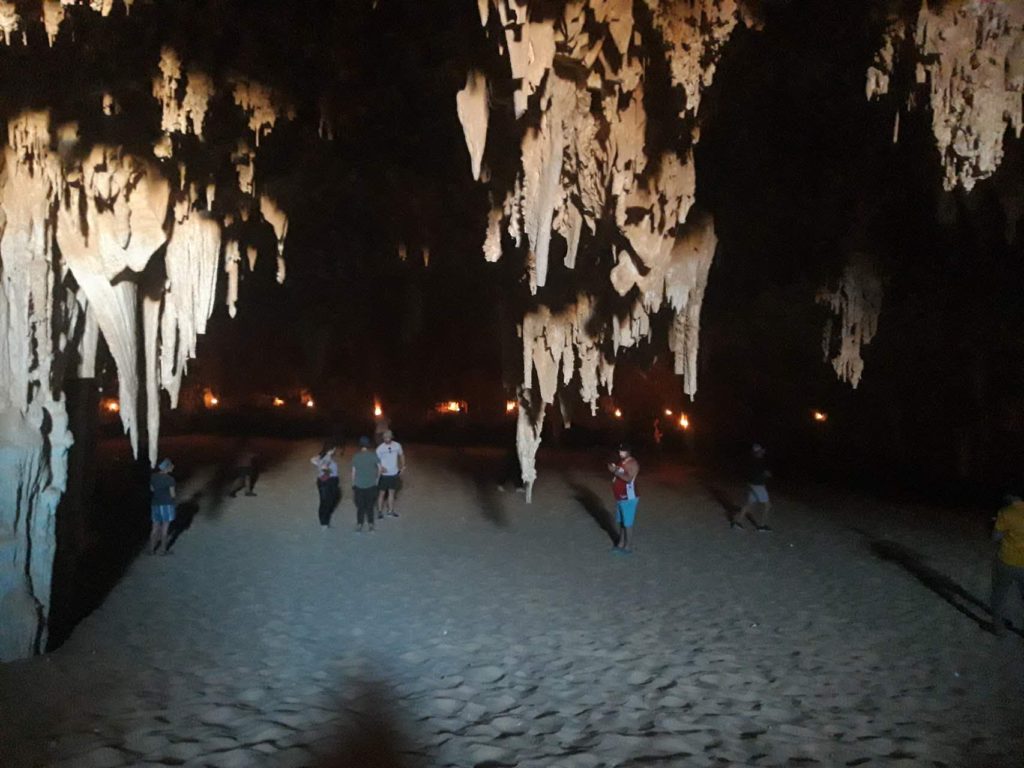
The cave’s descending and ascending sedimentary forms resemble frozen waterfalls, and they are the consequence of millions of cubic meters of groundwater seeping through the desert sand millions of years ago, producing this earthly tunnel, which was subsequently deposited and condensed by the tremendous heat.
The cave murals depict common activities of the people in the area, such as hunting and playing. The drawings were made during the wet Holocene epoch. Fishermen lived in the area at the time, and they practiced gathering and harvesting fruits. The drawings show that the neighborhood area, now barren and unprepared for life, was previously inhabited and vibrant.
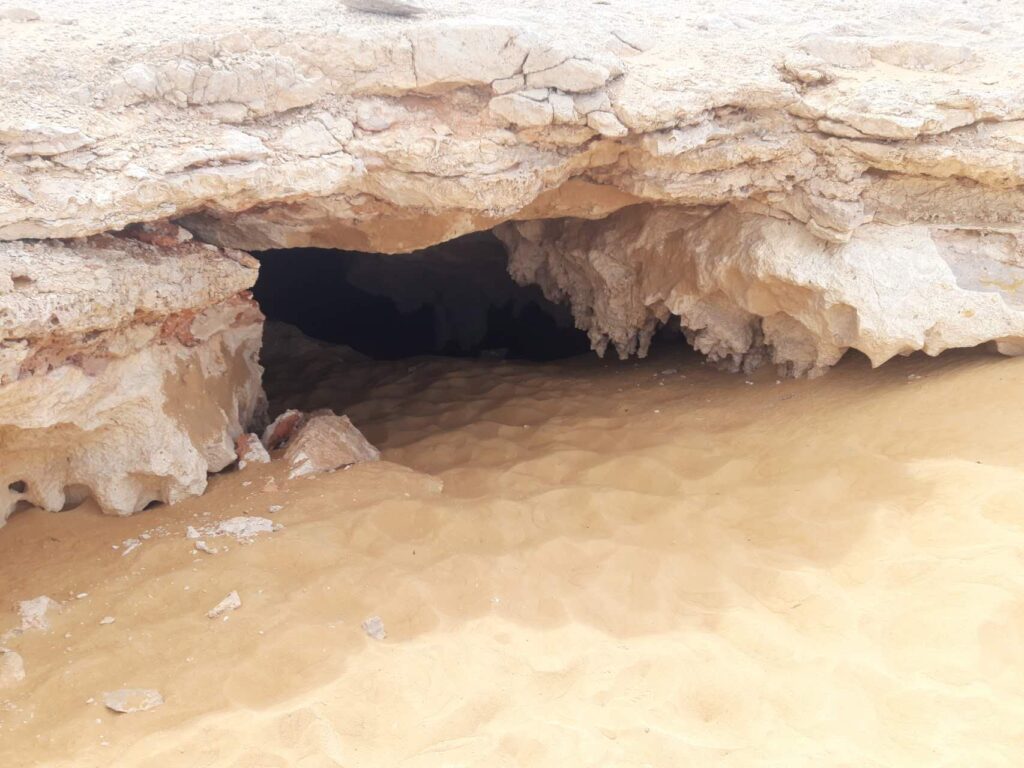
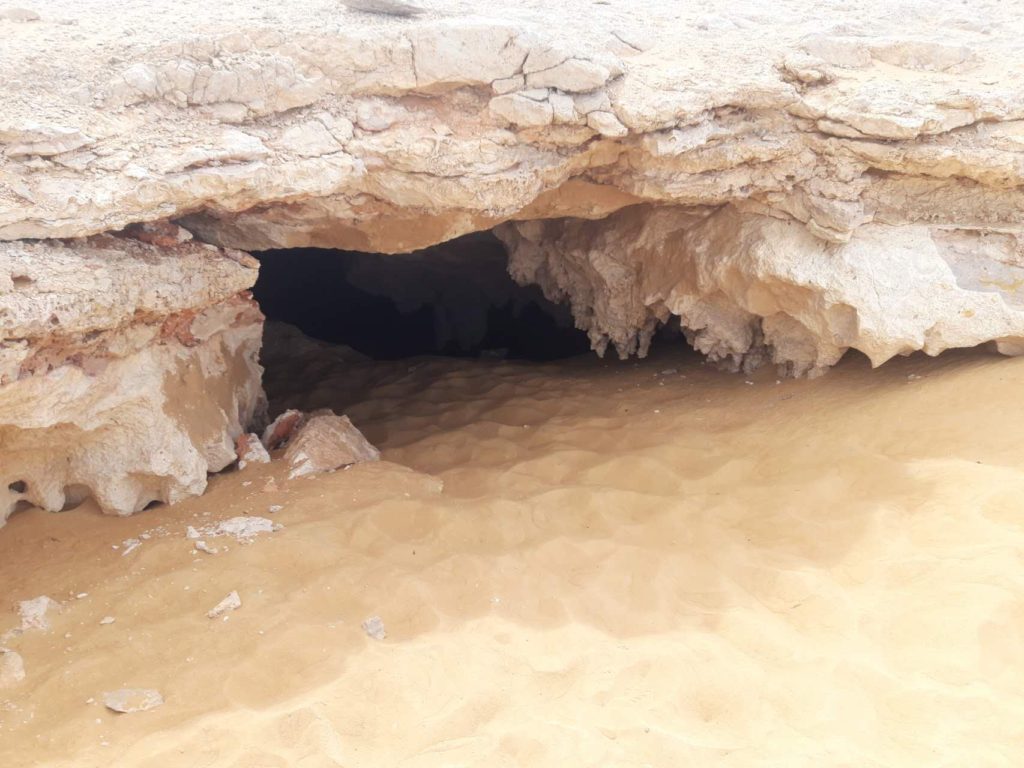
The cave’s entrance, which is in the form of a small opening at the surface level of the limestone plateau where it is located, gives the impression that the visitor is descending into a small limestone basin that leads to a small, narrow corridor forming a landing pad filled with sand that is blown into the cave by the wind.
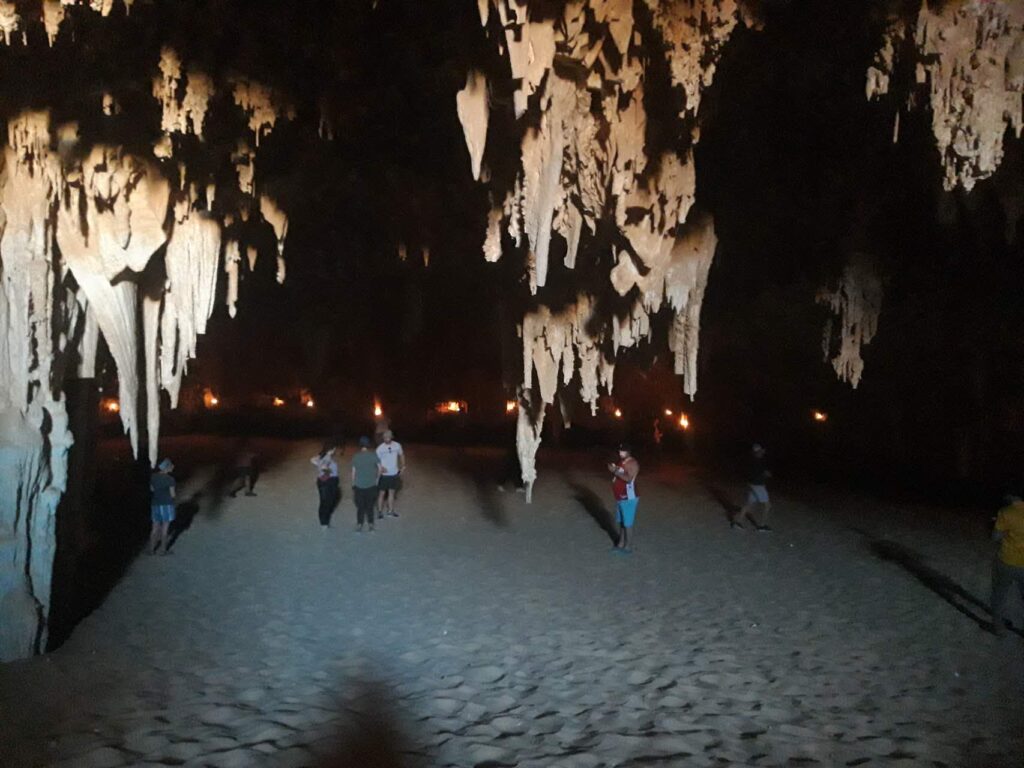
One of the stones growing on the cave floor in the shape of stalagmites, beautified by the famous paintings or scribbles that disintegrate year after year, can be seen at the cave’s entrance. The cave’s main courtyard, stretching from its ceiling to its floor, is a level space of 30 square meters with a height of five to six meters.
Despite the cave’s location in a limestone area, geological analyses have revealed that the stalagmites and stalactites’ sediments are entirely made of sandstone, which may provide scientific insight into the area’s geological history.
A light must be used to see the sedimentary formations when visiting a neighbor’s cave.
In 1990, an excellent group of specialists in this field from Cologne, Berlin, and Cairo undertook the first archaeological survey based on scientific grounds for the cave paintings.
2- From the beginning of 1999 to the end of 2002, drawings and decorations were thoroughly investigated as part of a larger scientific endeavour.
3- The cave has magical dimensions that arose naturally as a result of water, where the pure and dry desert climate over millions of years, and it contrasts with all of the region’s caves in its formations and the shape of its wonderful sediments, with the heights of the sedimentary formations reaching three or four feet, according to Rolfes’ description.
4- The cave’s descending and ascending sedimentary forms resemble frozen waterfalls, and they are the consequence of millions of cubic metres of ground water seeping through the desert sand millions of years ago to produce this earthly tunnel, which was subsequently deposited and condensed by the tremendous heat.
5- The cave murals depict common activities of the people in the area, such as hunting and playing. The drawings were made during the wet Holocene epoch. Fishermen lived in the area at the time, and they practised gathering and harvesting fruits, and the drawings show that the neighbourhood area, now barren and unprepared for life, was previously inhabited and vibrant.
6- The cave’s entrance, which is in the form of a small opening at the surface level of the limestone plateau where it is located, gives the impression that the visitor is descending into a small limestone basin that leads to a small, narrow corridor that forms a landing pad filled with sand that is blown into the cave by the wind.
7- One of the stones growing in the cave floor in the shape of stalagmites, which are beautified by the famous paintings or scribbles that disintegrate year after year, can be seen at the cave’s entrance. The cave’s main courtyard, which stretches from its ceiling to its floor, is a level space of 30 square metres with a height of five to six metres.
8- Despite the cave’s location in a limestone area, geological analyses have revealed that the stalagmites and stalactites’ sediments are entirely made of sandstone, which may provide scientific insight into the area’s geological history.
9- A light must be used to see the sedimentary formations when visiting a neighbor’s cave.